

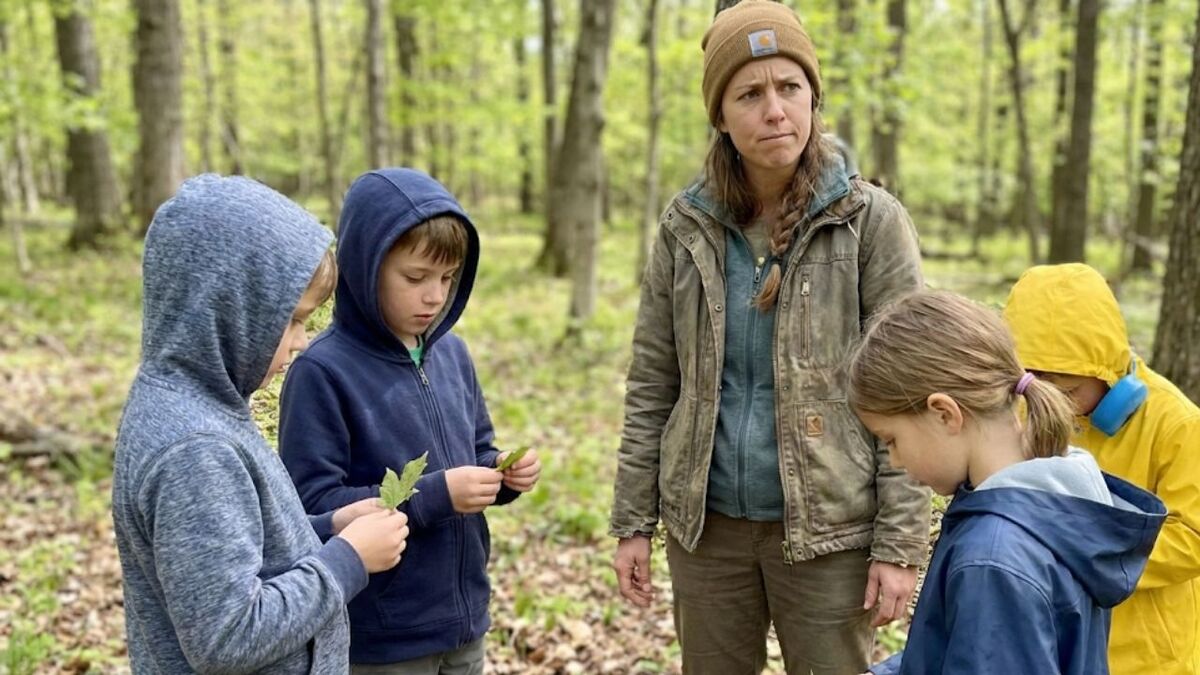
11 Mistakes You’ve Been Making for Years as a Nature Educator – and How to Get Rid of Them
Free 35 Survival Hacks you'll love!
You will get 35 easy-to-implement survival hacks so that you don't have to stand aimlessly in the forest from tomorrow when things get tough. Take your skills to the next level!
DOWNLOAD HERE FOR FREE👉 The key facts from this guide
- Instead of always explaining everything, try asking more questions! Let the children marvel and explore on their own – they don’t need the "facts" yet, but their curiosity is everything.
- Forget rigid plans and follow the genuine energy of the children. When they discover something exciting, go with it, because nature is the best guide.
- Dare to allow silence and even boredom. These are not gaps, but moments in which children can process, observe, and become incredibly creative.
- See every kind of weather as an opportunity! Rain isn't a problem; it's a feature that enables unique nature experiences – dress appropriately and have fun!
- Deliberately make yourself redundant at times. Give the children space to unfold and experience their own little adventures without you constantly intervening.
- Forget Instagram perfection and don't be afraid to say: "I have no idea; let's find out together!" That makes you human and relatable.
Last week I was standing in the forest with a group.
A child discovered a snail. And before I could stop myself, I heard myself saying: "That is a Roman snail. It belongs to the group of land-dwelling air-breathing snails and..."
The child had long since stopped listening.
I caught myself doing it. Once again.
And you know what? It still happens to me. After all these years. Because these mistakes are so deeply ingrained that we don't even notice them anymore.
Here are 11 of them. I've made them all. Some I still make.
Perhaps you recognize yourself.
1. You explain too much
The moment a child sees a snail, your biology lesson starts rattling off.
I understand. You know so much. You want to share it. It feels like you're doing your job.
But here is the truth: Children don't need your knowledge. They need time to wonder.
Do this instead:
Ask questions.
"Why do you think the snail has this house?"
"Where do you think it is crawling to?"
"What do you think it feels like to carry a house like that on your back?"
Let the child become the expert. Wonder comes before knowledge. Always.
This, by the way, is the principle behind Coyote Teaching – a method I use constantly in my work.
2. You stick rigidly to your plan
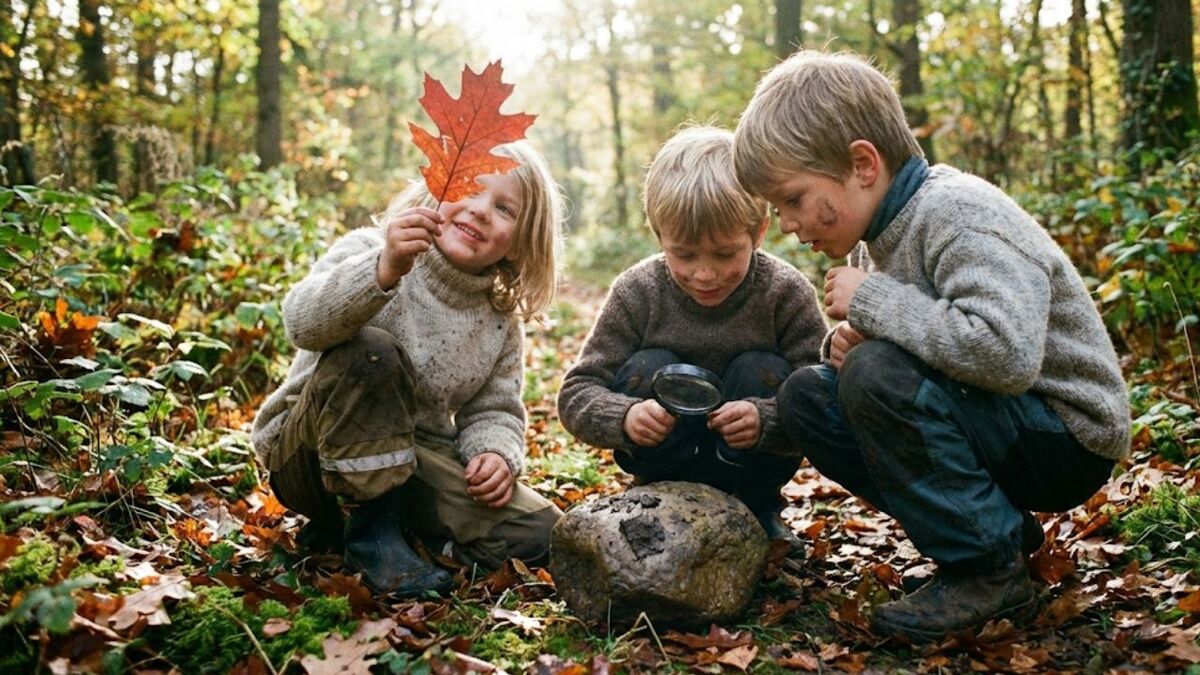
The group discovers a fox den. But your program says: Now it's time for tree identification.
So you say: "We'll look at that later."
"Later" never comes.
And the children have learned: Their discoveries are less important than your plan.
Do this instead:
Follow the energy.
The fox den IS your program. Real curiosity beats any schedule. Nature leads; you accompany.
I once wrote an entire article about this: Plan less, experience more. In case you want to dive deeper.
3. You answer every question immediately
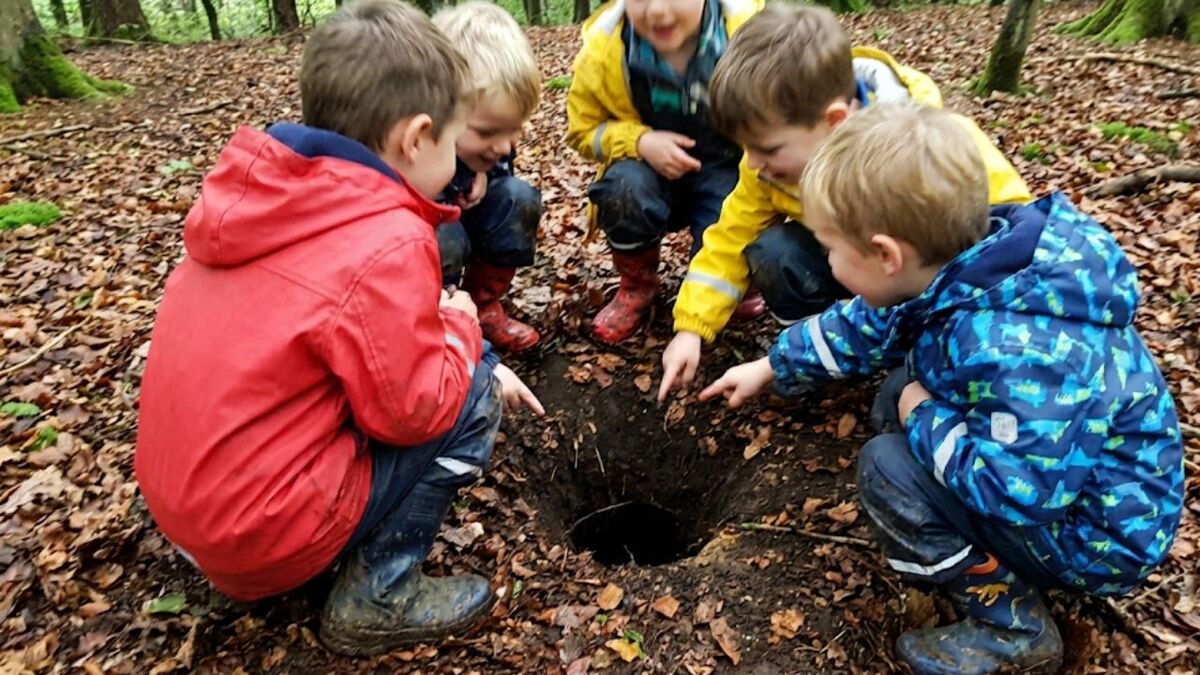
The child asks: "What kind of tree is that?"
And you blurt out: "An oak."
Boom. Learning opportunity missed.
The child didn't even want the answer. They wanted to discover. And you took that away from them.
Do this instead:
Lead them to the answer.
"Great question! How could we find that out?"
"Look at the bark. The leaves. What do you notice?"
"Do you know another tree that has similar leaves?"
This takes more time. But it sticks.
You can find more on this in my article about Coyote Teaching – a method that changed everything about how I work with children outdoors.
4. You fill every silence
A group of children is sitting quietly in the forest. No one says anything.
And you think: Oh no, are they bored? Do I need to do something?
So you say something. Play a game. Fill the gap.
But silence is not a problem. Silence is a gift.
Do this instead:
Endure the silence. At least 30 seconds longer than feels comfortable to you.
In silence, real learning happens. Children process. Observe. Feel.
And if you don't know how to cope with less of a program yourself: Here are 3 forest ideas that work without preparation.
5. You underestimate the weather
It's raining. So you cancel.
Or you go out, but with the attitude: "Today is going to be difficult."
Children feel that. They mirror your energy.
Do this instead:
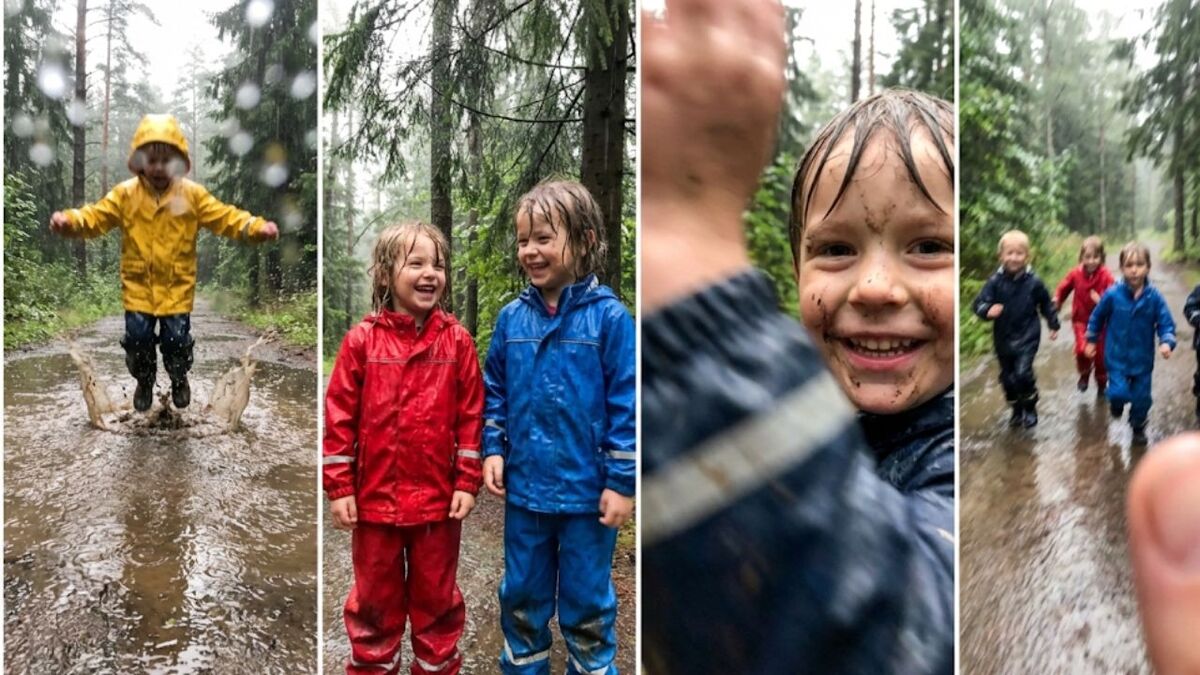
Rain is not a disturbance. Rain is a feature.
Puddles, drops on leaves, the smell of wet earth – these are experiences that are impossible when the sun is shining.
Dress correctly. And then go out with the attitude: "Today is going to be special."
In case you really don't know what to do in bad weather: These 17 activities save any forest day.
6. You make yourself indispensable
You are always in the middle of it. You moderate every game. You resolve every conflict. Without you, nothing works.
Sounds like good pedagogy, doesn't it?
It isn't (always).
Do this instead:
Make yourself redundant.
Give the children tasks where you are not needed. Step back. Observe from a distance.
The best nature experiences happen when children forget you are there.
7. You compare yourself to Instagram
You see these perfect forest kindergarten pictures. Children with hand-carved sticks, perfectly arranged nature mandalas, campfires at sunset.
And you think: My forest day never looks like that.
Do this instead:
Forget Instagram.
Your forest day doesn't have to be "instagrammable." It has to be real.
Muddy knees. Arguments over the best stick. A child who is bored. That is reality. And reality is better than any staged photo.
Read also
Between Instagram Nature and Real Grounding: Why the online wilderness won't get you anywhere – Between social media and nature experience: Why Instagram nature is only the beginning and how to find your way from digital curiosity to the wilderness.
8. You are afraid of boredom
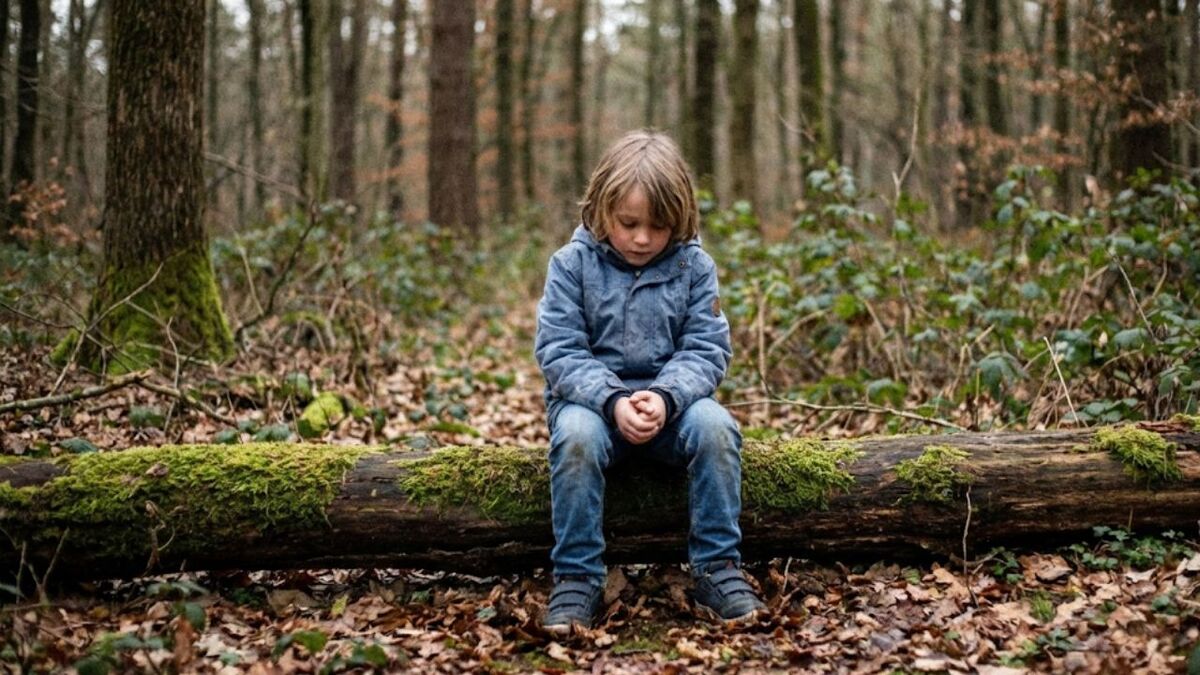
A child sits there and does... nothing.
Alarm! You have to intervene!
No. You don't.
Do this instead:
Allow boredom.
Boredom is the birthplace of creativity. "I'm bored" turns into "I have an idea" – if you don't intervene beforehand.
The child doing "nothing" might be observing an ant. Or thinking. Or resting.
All of that is valuable.
9. You forget your own connection to nature
You are so busy conveying nature to the children that you stop looking yourself.
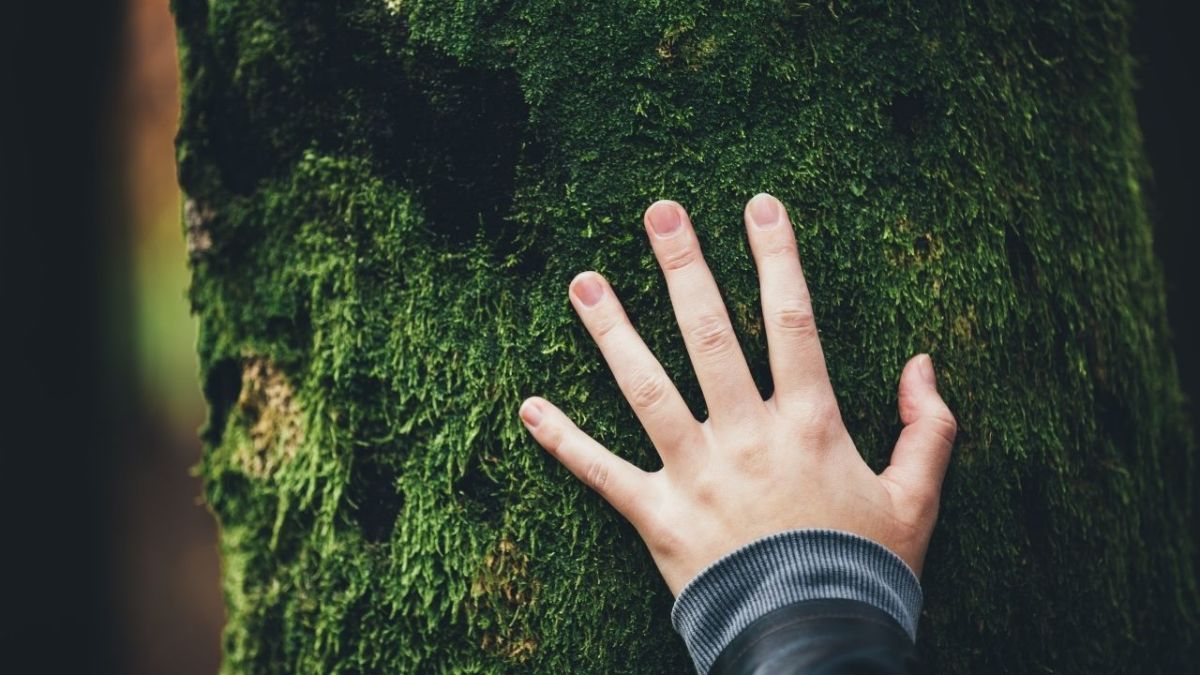
When was the last time you touched a tree – not to show it to the kids, but for YOU?
Do this instead:
Build in small moments. Just for yourself.
Arrive 10 minutes early. Stand still. Breathe. Look around.
Your connection to nature is the foundation of your work. If it withers, the children will notice.
If you feel that you lack the connection yourself: The Core Routines of Wilderness Pedagogy are a good starting point.
10. You separate "Learning" and "Playing"
"Now we're going to learn something about trees. After that, you can play."
As if playing isn't a form of learning. As if learning isn't a joy.
Do this instead:
Blur the boundaries.
The child fighting with sticks is learning about balance and coordination. The child baking mud pies is learning about textures and creativity.
Everything is learning. If you allow it.
11. You rush from activity to activity
The forest day is timed perfectly. 9:15 Greeting. 9:30 Game. 10:00 Nature exploration. 10:30 Crafting.
Not a second of idle time.
And at the end, everyone is exhausted – but no one has truly experienced anything.
Do this instead:
Less is more.
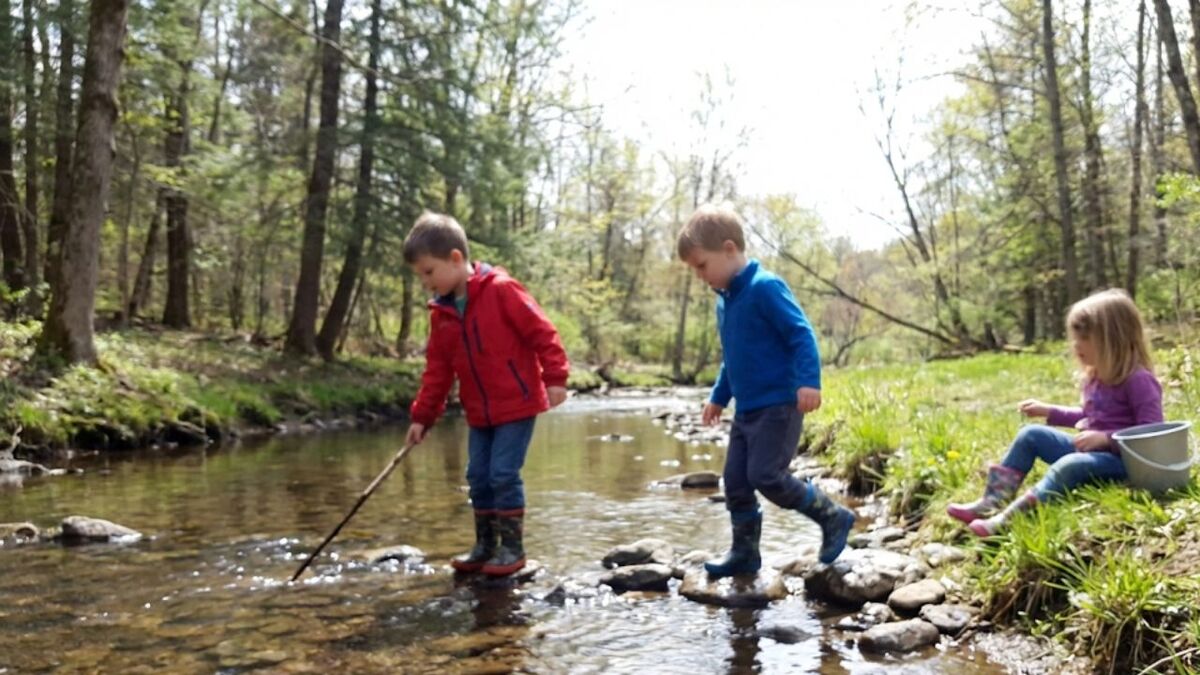
A single in-depth experience beats ten superficial activities. Better an hour at the stream than five different stations.
I did this wrong for a long time myself. Until I understood: Faster, further, exhausted – that leads nowhere.
Bonus: The mistake I made the longest
I thought I had to be the expert.
The one who knows everything. Who identifies every bird, names every tree, can answer every question.
Today I know: My best answer is often "I have no idea. Let's find out together."
That doesn't make me less competent. It makes me human.
And children learn from people. Not from encyclopedias.
What now?
Pick one mistake from this list.
Just one.
And consciously pay attention to it during your next forest day.
Not to criticize yourself. But to grow.
We all make these mistakes. The difference is whether we notice them.
PS: Which of these mistakes do you make most often? Write to me – I'm curious.

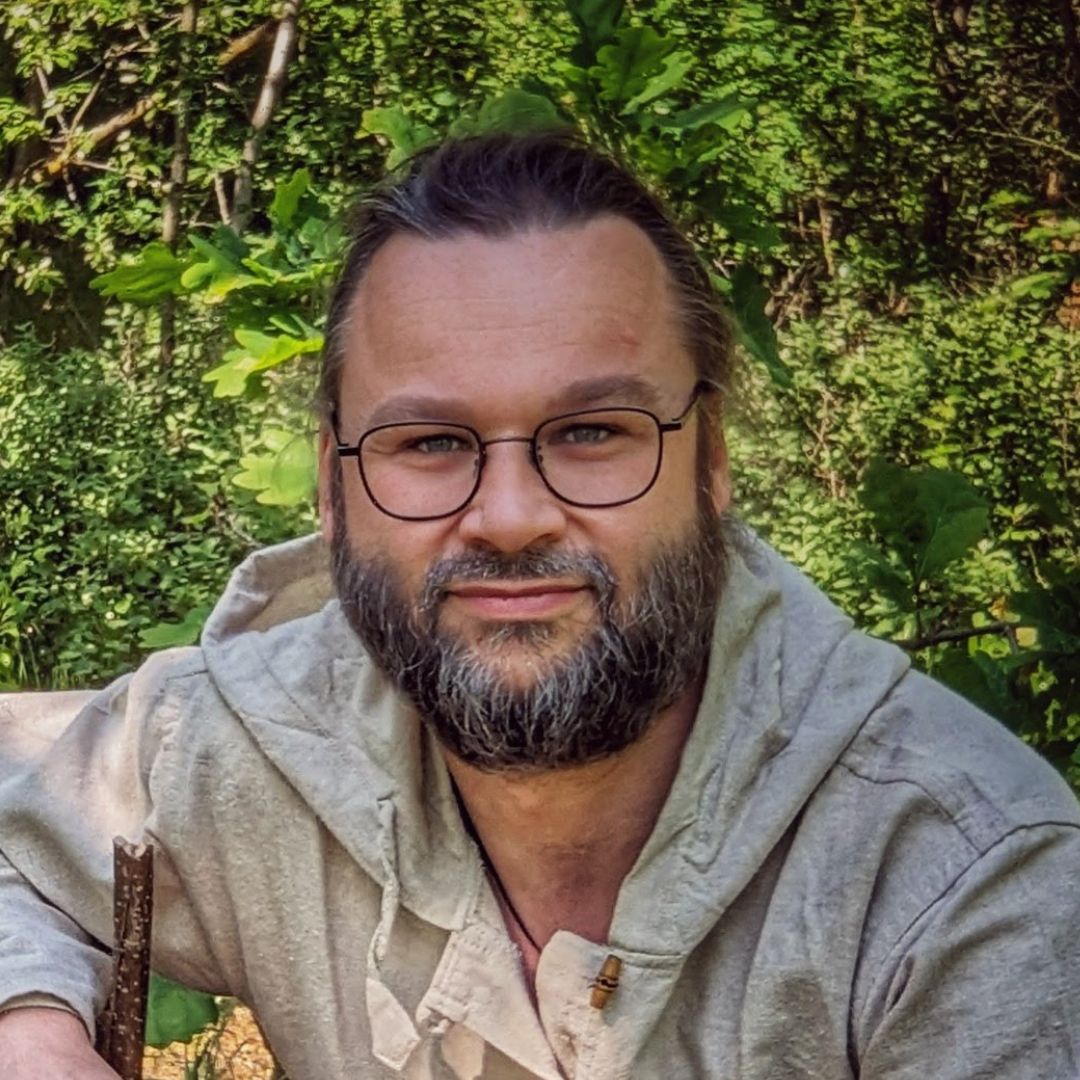
Author of the guide
Martin Gebhardt
Hey, I'm Martin. On my blog, you will learn the basics and numerous details about living in the wild. I think survival, bushcraft and the good life in nature are the keys to happiness. Find me here on Instagram or on YouTube. You can find more about my mission on the About Me page.
Was this guide helpful?
13 people found this guide helpful.
5.00 out of 5 points (13 Ratings)
Comments (0)
This post may contain affiliate links. So if you click on the links and make a purchase, I will receive a small commission at no additional cost to you. Click here, to learn more about it.