


What can I gather outdoors in autumn? A comprehensive overview

Free 35 Survival Hacks you'll love!
You will get 35 easy-to-implement survival hacks so that you don't have to stand aimlessly in the forest from tomorrow when things get tough. Take your skills to the next level!
DOWNLOAD HERE FOR FREE👉 The key facts from this guide
- Autumn is the most bountiful time of year – berries, nuts, seeds, roots, and mushrooms all ripen at the same time.
- Nuts: Hazelnut, beechnut, sweet chestnut, walnut, and acorn. Beechnuts and acorns absolutely require pre-treatment.
- Wild fruit: Rosehip, sloe, elderberry, hawthorn, sea buckthorn, Cornelian cherry, rowanberry. Some of these are edible only when cooked.
- Root season: From October onwards, plants draw their energy downwards – this is when dandelion, wood avens, and horseradish roots are at their most nutrient-rich.
- Frost as a tool: Sloes and rowanberries only become truly palatable after exposure to frost. A freezer works just as well.
- Toxic when raw: Elderberries and rowanberries must be heated. Always.
- The golden rule: Only gather what you can identify with one hundred percent certainty.
There is a moment in September when I notice the same thing every year.
I am standing at the edge of a forest. On the left, the last blackberries are still hanging. On the right, hazelnuts are already lying on the ground. Above me, the rose hips are turning red. And somewhere between the beeches, a bay bolete is pushing its way through the leaves.
Everything at once.
Spring is delicate and subtle – you gather a few leaves and are happy. Summer is lavish with flowers and herbs.
But fall? Fall is heavy. Fall puts nuts, berries, roots, seeds and mushrooms into your hands all at once and says: Take as much as you can carry. Winter is coming.
This is the time when our ancestors filled their stores. And to be honest: To this day, it is the most satisfying season for foraging.
In this article, you will get the complete overview – sorted by groups, with harvest times, warnings and the pitfalls beginners regularly fall into.
Nuts and tree seeds – the calorie bombs
This is the most energy-rich group. Nuts were essential for our ancestors' survival – lots of fat, lots of protein, and easy to store.
Hazelnut (Corylus avellana)
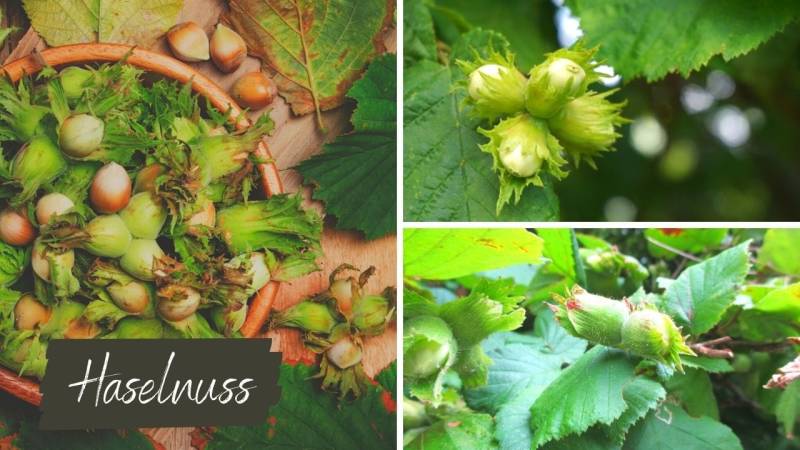
Harvest time: From September
Identification: The nuts sit inside a green, fringed husk. They are ripe when they come loose easily or are already lying on the ground.
Tip: You have to be quick. Squirrels, jays and mice are out there too – and they are better organized than you.
More about the plant: Hazel – your flexible friend for bushcraft
Beechnut (Fagus sylvatica)
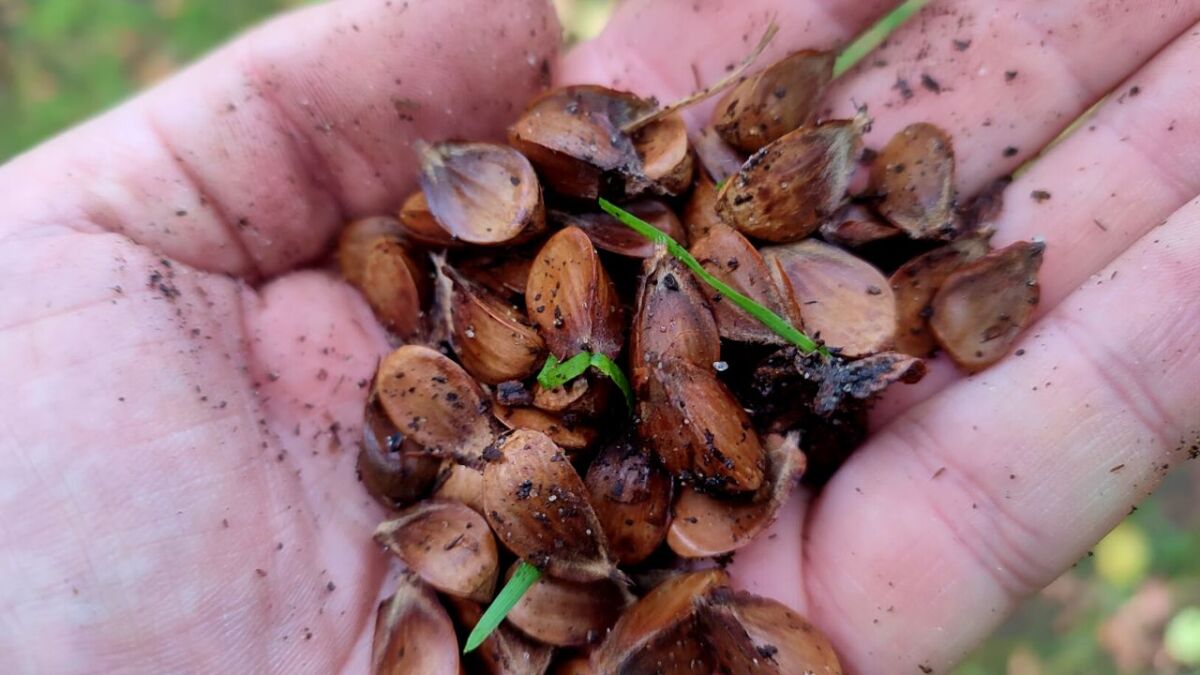
Harvest time: September/October
Identification: Small triangular nuts inside a spiny husk that splits into four sections when ripe.
Warning: Raw beechnuts contain fagin and cyanogenic glycosides. Trying a small amount raw is unlikely to cause anything dramatic, but larger amounts can cause nausea and headaches.
Solution: Roast them or pour boiling water over them and peel them. Then they are safe to eat - and really delicious.
More about this: Collecting and processing beechnuts
Sweet chestnut / Chestnut (Castanea sativa)
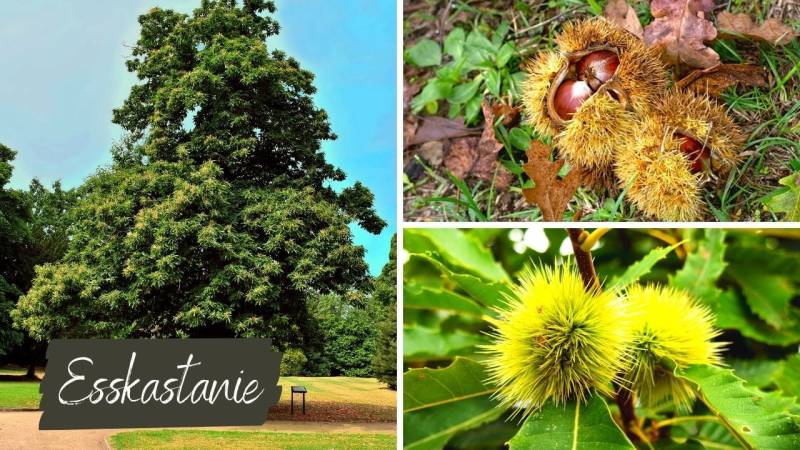
Harvest time: Late September to November
Identification: The spiny husk opens and reveals one to three shiny brown chestnuts. The tip has a small "beard".
Lookalike: The horse chestnut is inedible to poisonous. Features that help you tell them apart:
- Sweet chestnut: husk with many fine, dense spines, fruit flattened with a pointed tip
- Horse chestnut: husk with a few thick, coarse spines, fruit rounded without a pointed tip
Walnut (Juglans regia)
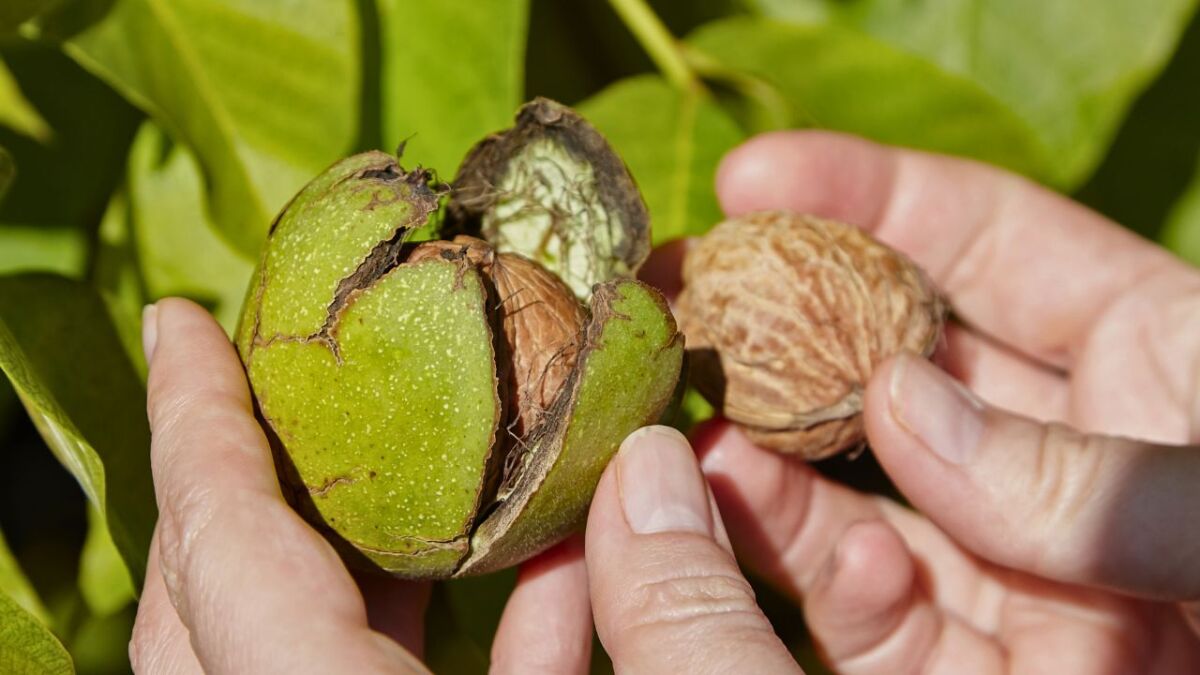
Harvest time: From late September
Identification: They fall to the ground when the green outer husk splits open.
Tip: Wear gloves. The juice from the green husk stains your fingers dark brown, and it stays that way for a week.
Acorns (Quercus robur / petraea)
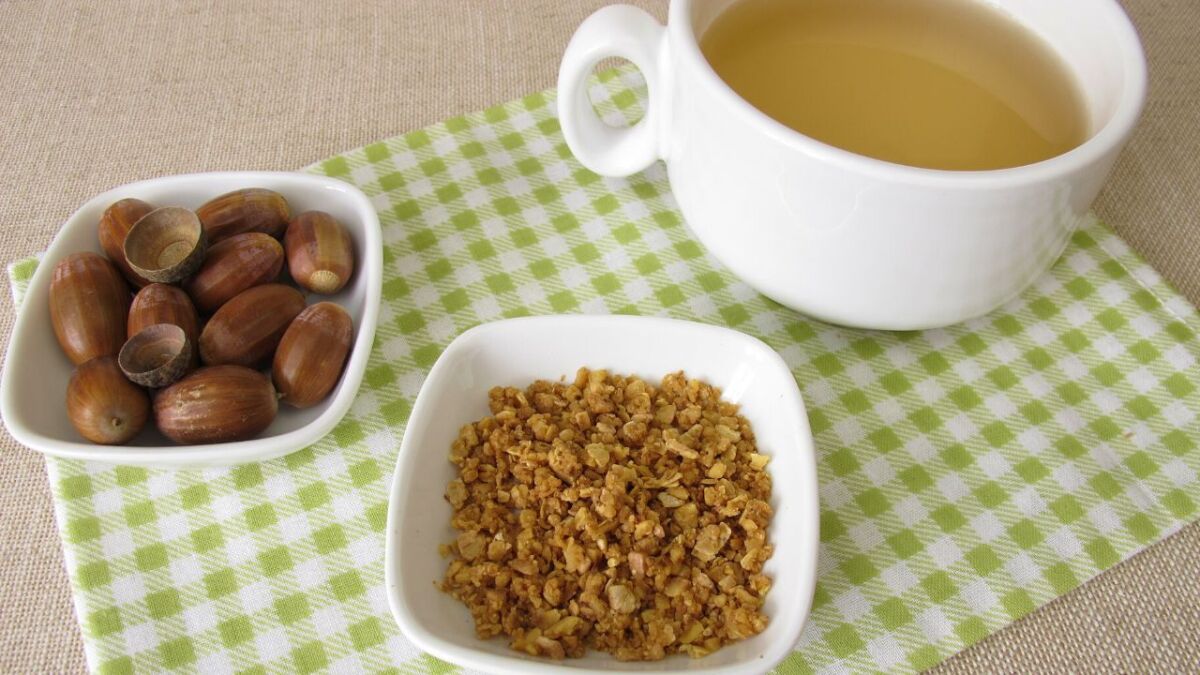
Harvest time: September to October
Acorns are probably the most underestimated wild food of all. They were a staple food in Europe for thousands of years.
But: They contain a lot of tannin (tannic acid) and are inedible raw and can irritate the stomach.
Preparation: Peel them, chop them roughly, then leach them several times in water. Either with several water changes over several days (cold) or by boiling them repeatedly (faster, but with a loss of starch). The water turns brown – you are washing out the tannins.
Afterward, you can turn them into flour or a surprisingly good coffee substitute.
Wild fruit and berries – color and vitamins
Rose hip (Rosa canina u.a.)
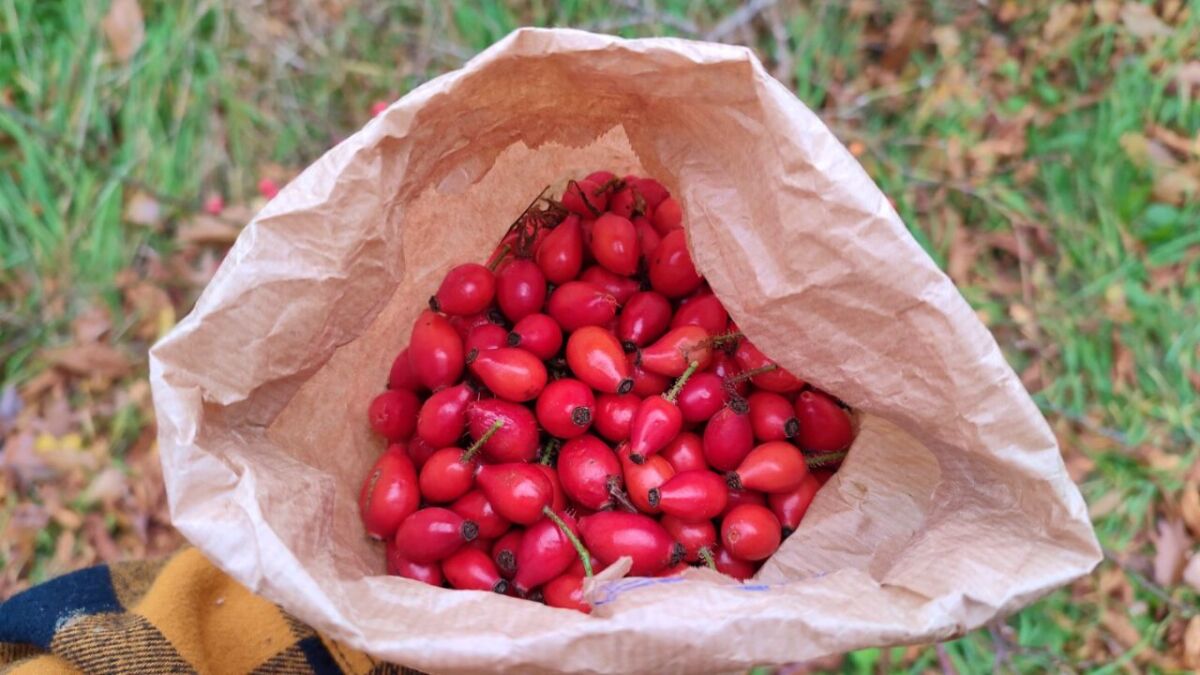
Harvest time: From late September throughout the fall
The ultimate vitamin C bomb. After the first frosts, they become softer and sweeter – but you can also harvest them while firm and dry them.
Everything about processing them: Rose hips – how to harvest and process them
Sloe (Prunus spinosa)
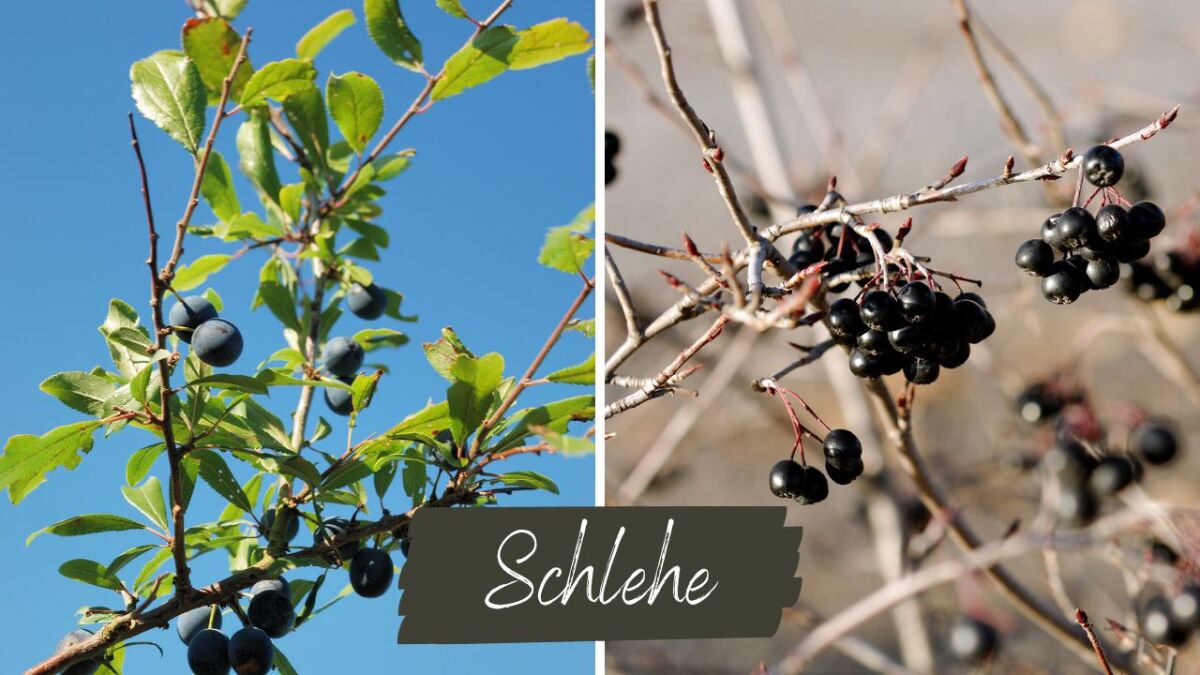
Harvest time: From October, preferably after the first frost
The classic mistake: Harvesting too early and taking a bite. Before the frost, sloes are so astringent that your whole mouth puckers up.
The trick: Frost partially breaks down the tannins. If you do not want to wait: simply harvest them and put them in the freezer for three days. Works just as well.
Elderberry (Sambucus nigra)
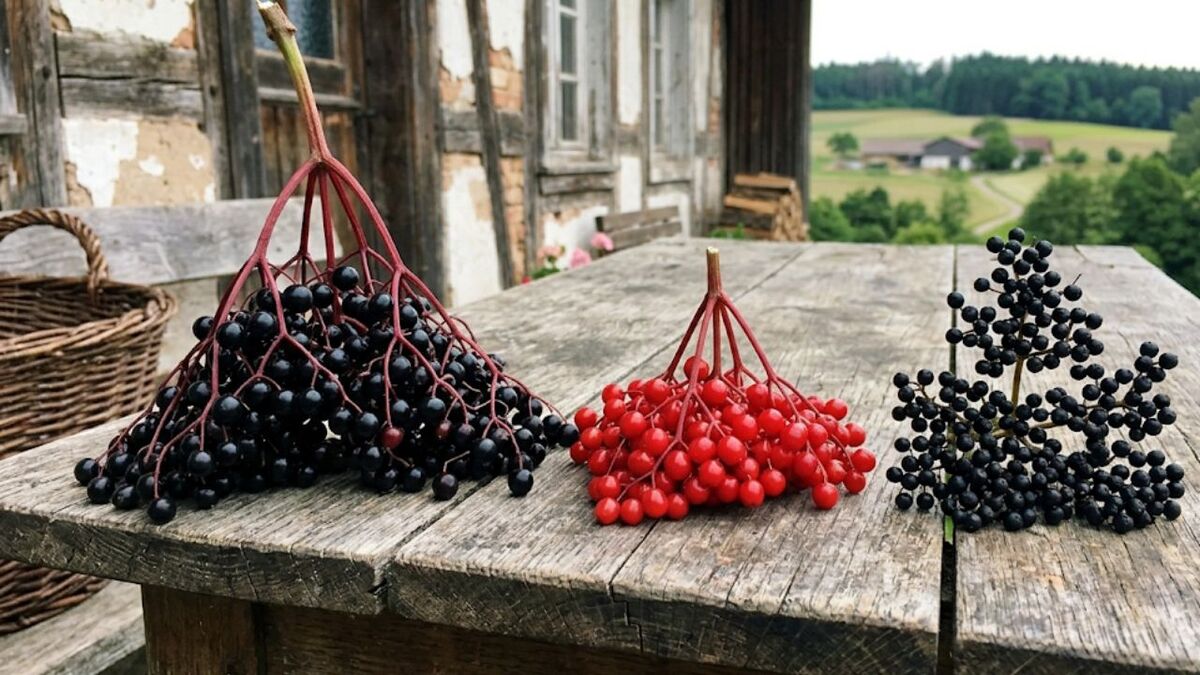
Harvest time: From September, when the clusters are deep black-purple and hanging downward
IMPORTANT: Elderberries are poisonous when raw. They contain sambunigrin, which can cause nausea, vomiting and diarrhea.
Always heat above 80 °C. Then they are completely safe – as juice, jelly, puree or syrup.
More about the shrub: Elderberry - what wilderness mentors should know about the elder bush
Hawthorn (Crataegus)
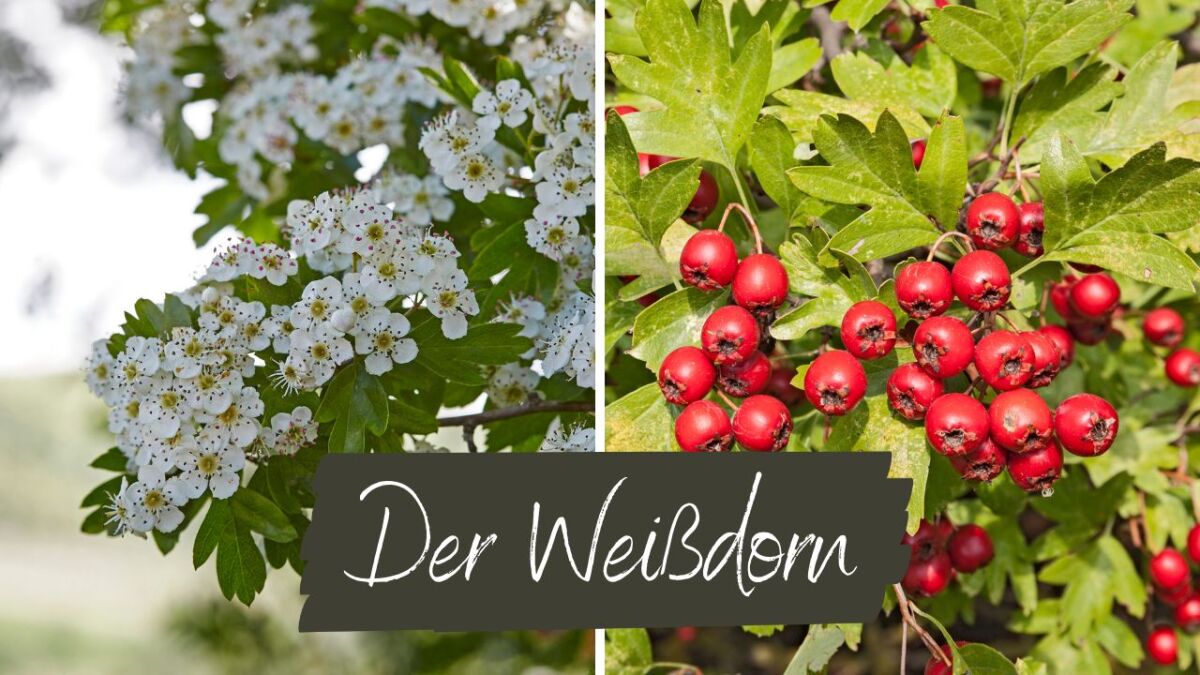
Harvest time: September/October
Bright red little apple-like fruits with mealy flesh. Not particularly exciting on their own, but excellent in jellies, as a puree or dried for tea.
Sea buckthorn (Hippophae rhamnoides)
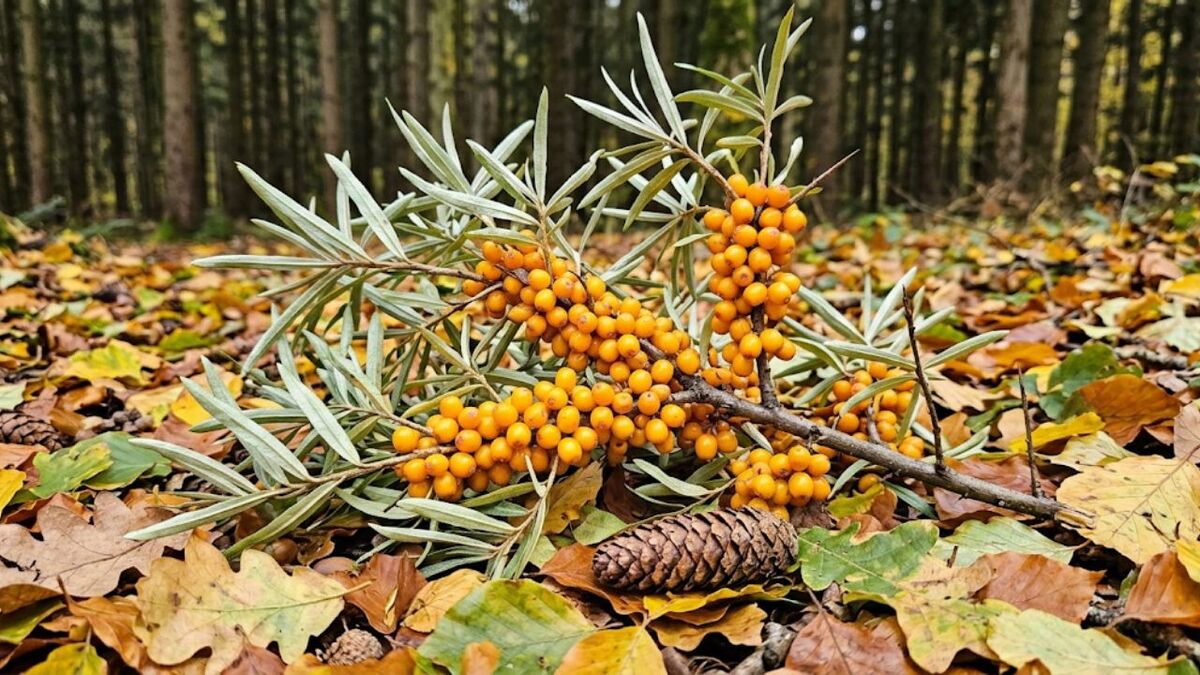
Harvest time: September to October
Extremely high vitamin C content. Grows mainly along coasts and on calcareous gravel soils.
Practical tip: Sea buckthorn is thorny and the berries burst easily. Many people cut off entire branches and freeze them - once frozen, the berries can simply be shaken off.
Cornelian cherry (Cornus mas)
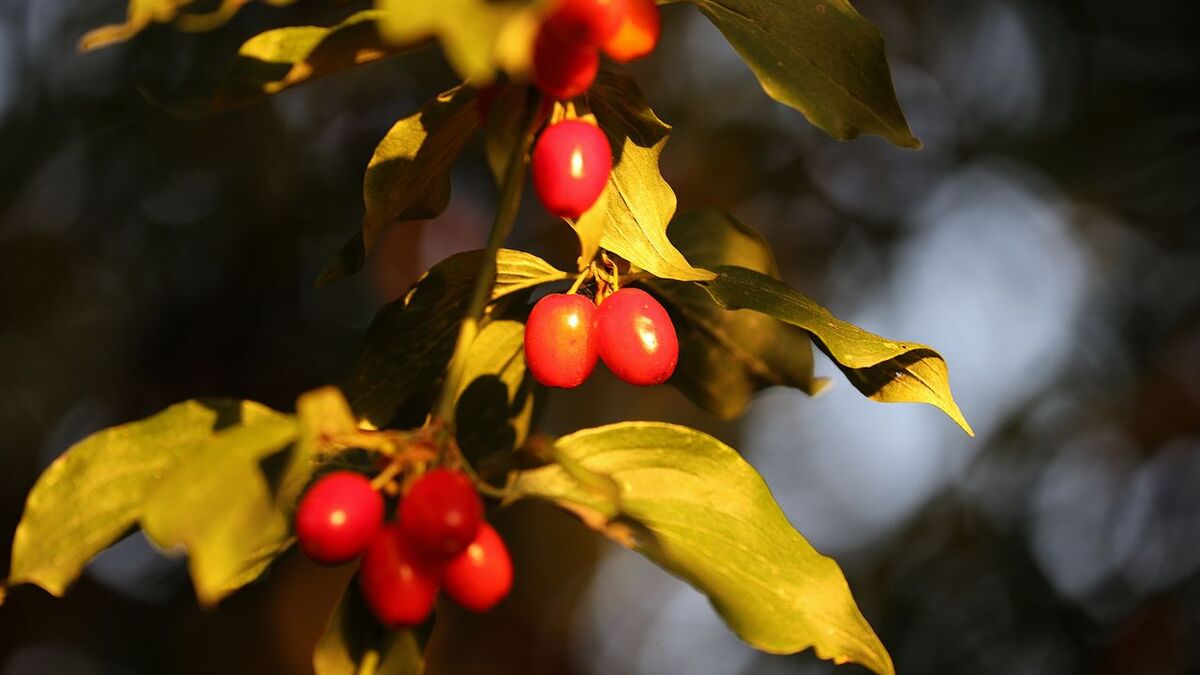
Harvest time: From September
When fully ripe, the dark red, elongated fruits almost fall off by themselves. A good test: Shake the shrub. Whatever falls is ripe.
Rowan / Rowan berry (Sorbus aucuparia)
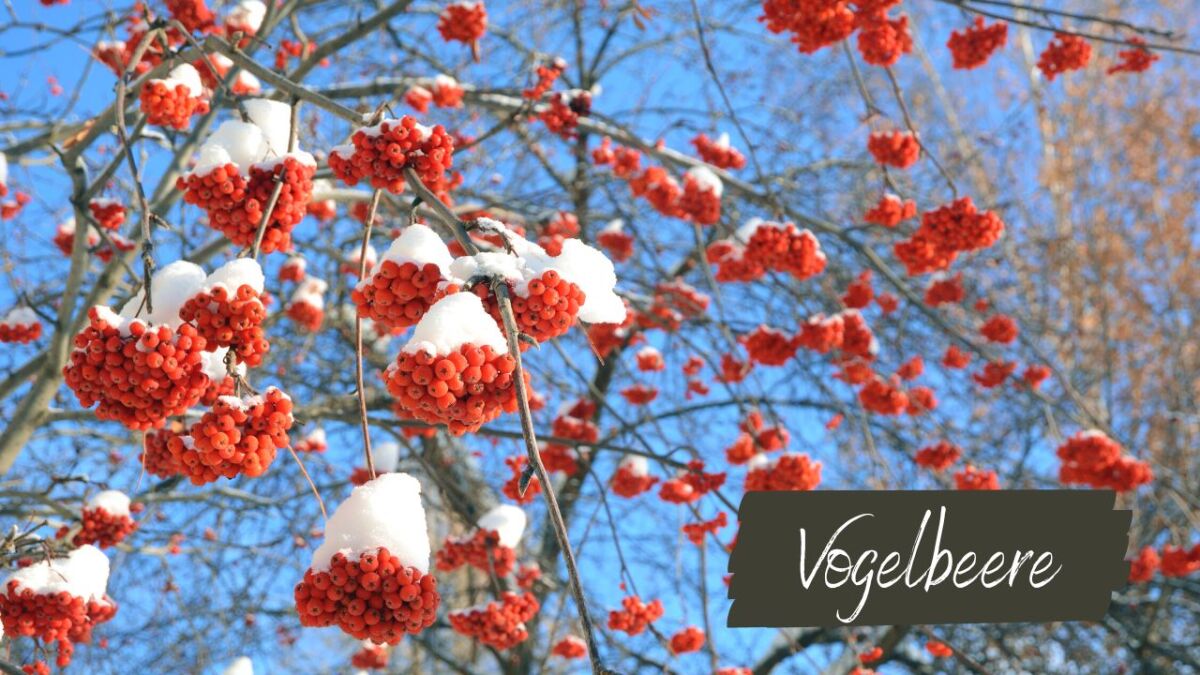
Harvest time: Late August/September
The most persistent myth of all: "Rowan berries are poisonous."
They are not – at least not in the way many people think. They contain parasorbic acid, which can cause gastrointestinal problems when consumed raw in larger amounts. Through cooking or frost, it is converted into tolerable sorbic acid.
Cooked, they make a tart, fruity jelly that goes fantastically well with game.
Serviceberry (Amelanchier)
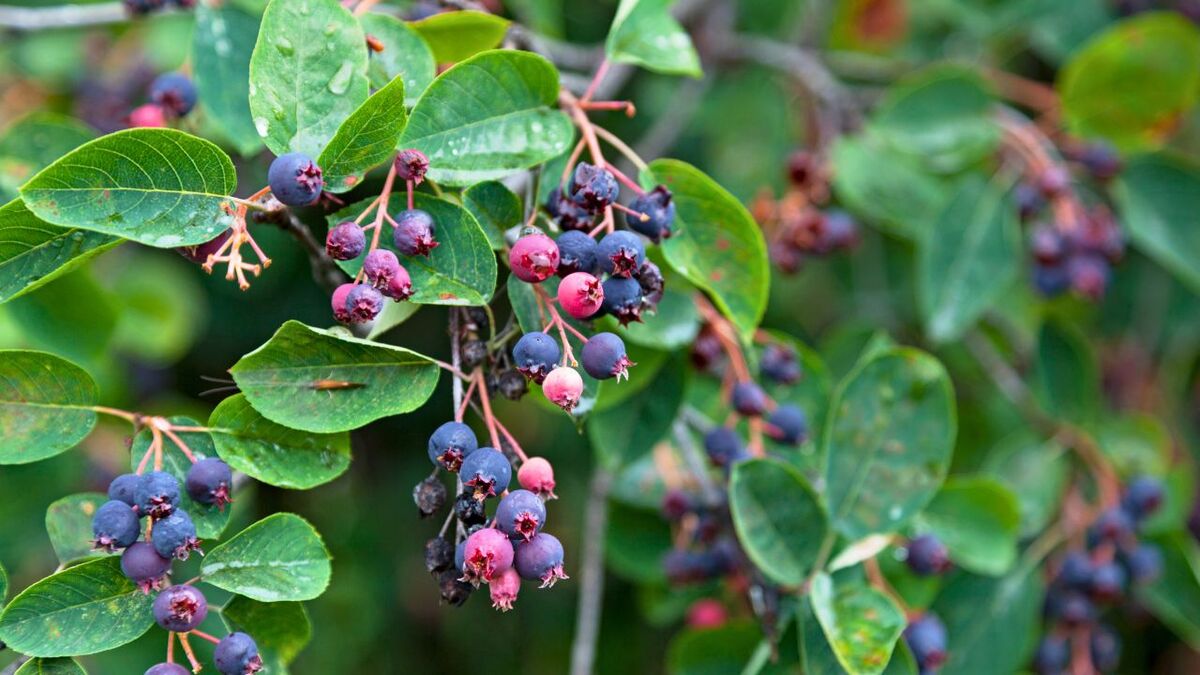
Harvest time: Late varieties sometimes bear fruit into September
Sweet, blueberry-like fruits. Anyone who knows them knows how good they taste.
Juniper (Juniperus communis)
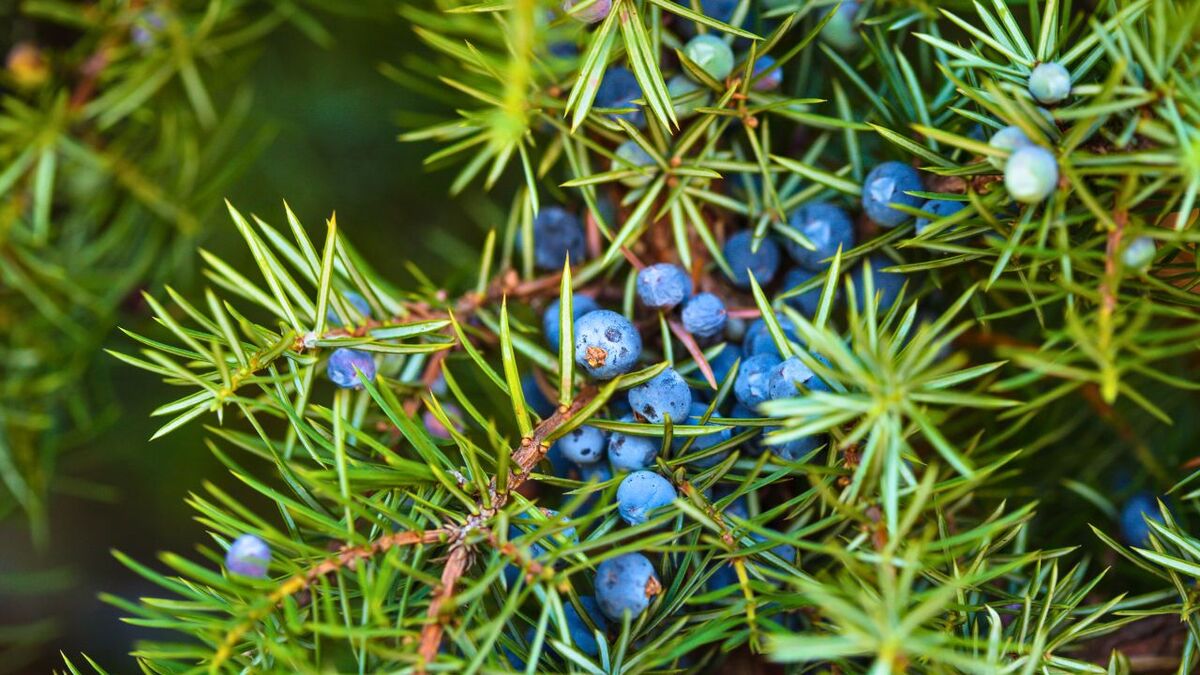
Harvest time: Late fall
The blue-black "berries" (botanically berry-like cones) take two years to ripen – which is why you will always find green and blue ones on the same shrub. Harvest only the blue-black ones.
Dried, they are a classic seasoning for game, sauerkraut and roasts.
Seeds and spices – the finer details
Nettle seeds (Urtica dioica)
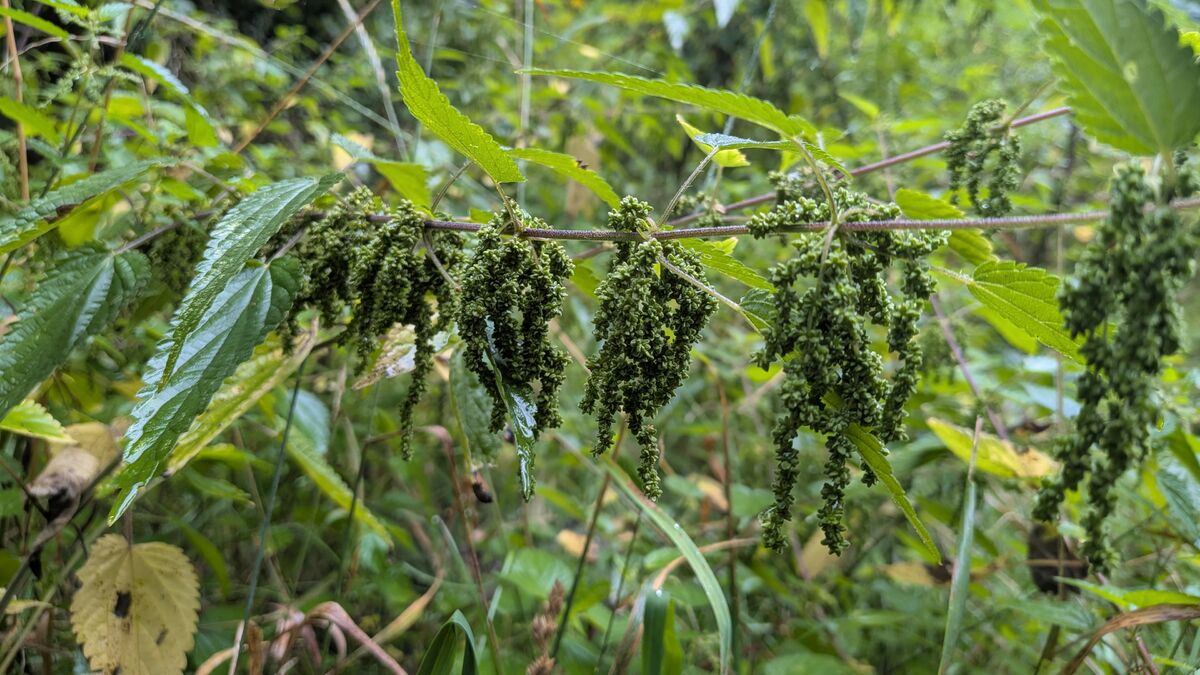
Harvest time: Into October
The female, hanging seed clusters. Nutty in flavor, rich in protein and fatty acids.
Complete guide: Collecting nettle seeds – harvesting, drying, use
Balsam seeds (Impatiens)
Harvest time: Fall
The ripe black seeds from the pods taste nutty – some say like walnuts.
Practical tip: The pods burst open explosively when touched (hence "touch-me-not"). Hold a bag or your cupped hand over them, otherwise your harvest is gone.
Plantain seeds (Plantago)
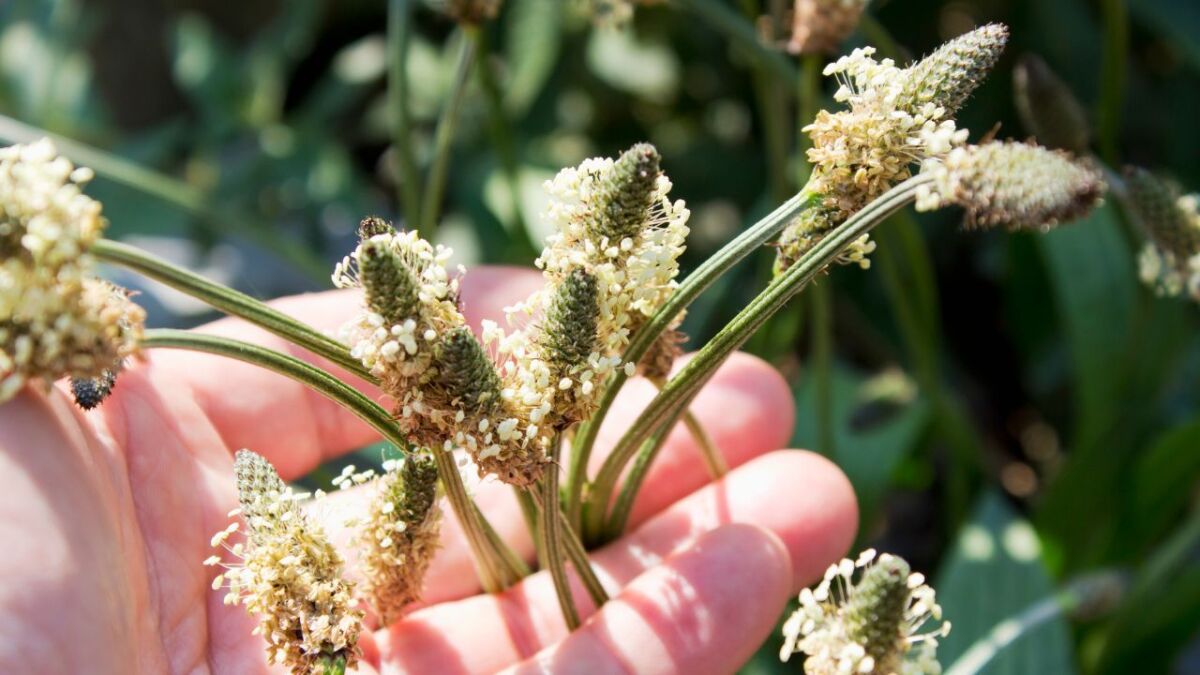
Harvest time: Into October
The seed heads can simply be stripped off. They are the local alternative to psyllium – rich in mucilage and fiber.
More about the plant: Ribwort plantain - from weed to nutritional powerhouse
Garlic mustard seeds (Alliaria petiolata)
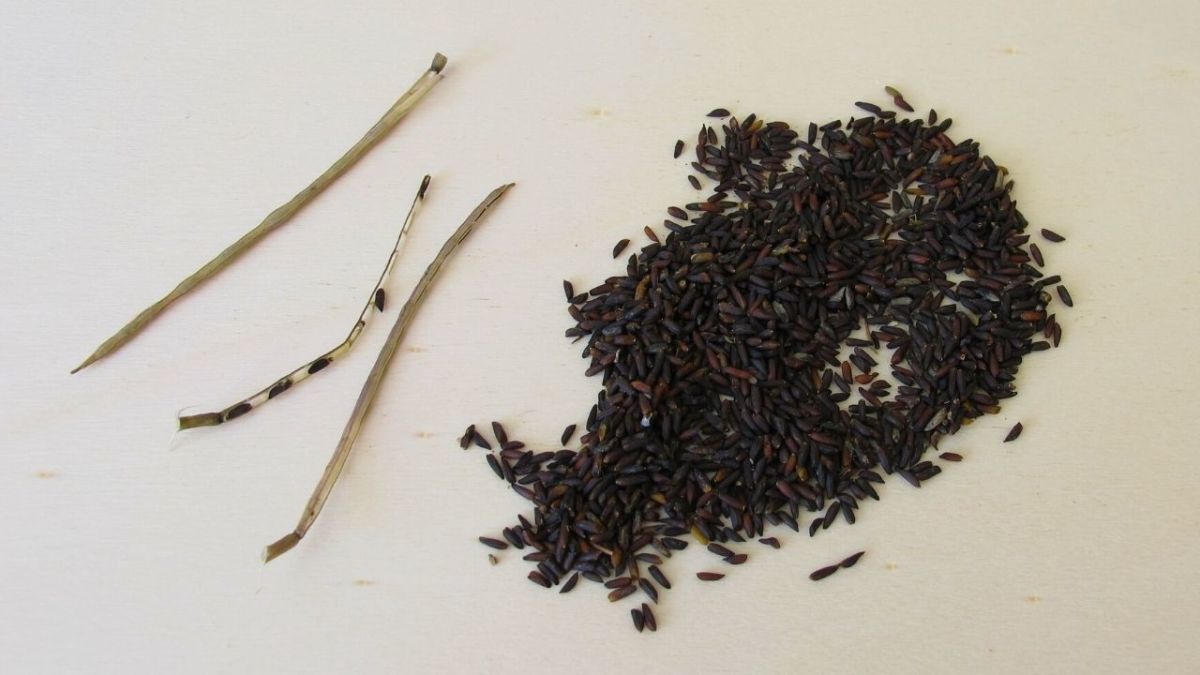
Harvest time: Fall
The black seeds from the pods have a peppery, spicy note. A fine wild seasoning.
More: Garlic mustard
Root season – now the strength is below
This is a principle worth remembering: In fall, plants draw their sap back into their roots.
That is why October/November is the classic time for harvesting roots. This is when they contain the most substance.
Dandelion root (Taraxacum officinale)
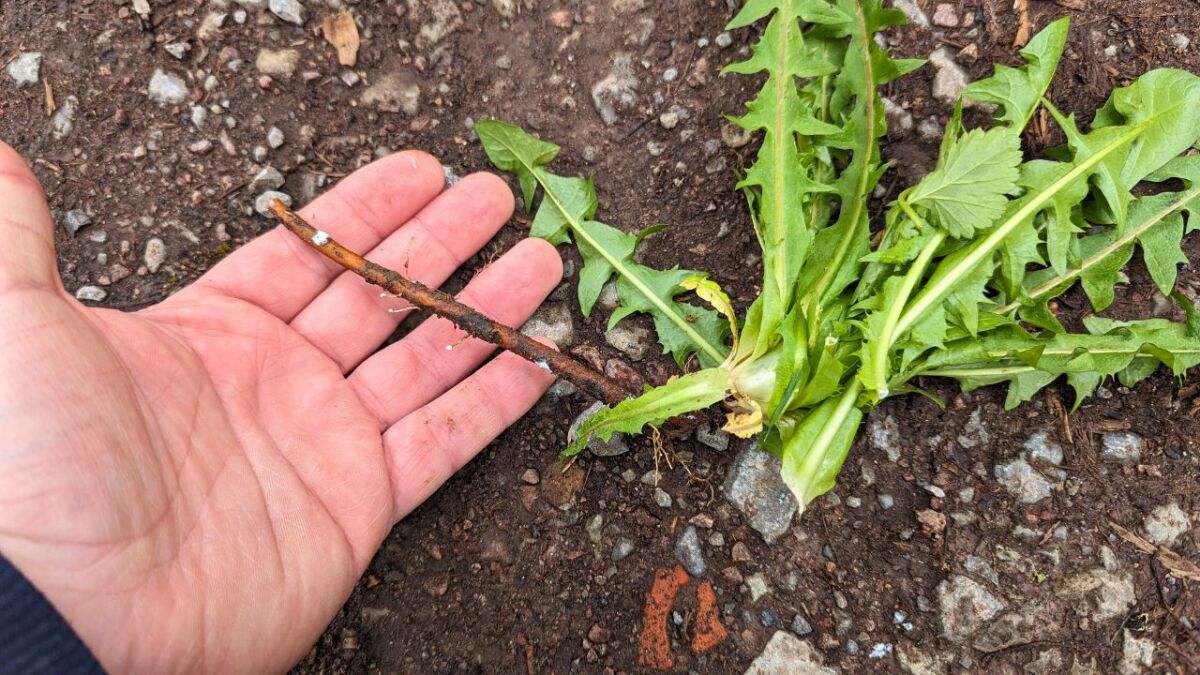
Harvest time: October/November
Dig them up, wash them, dry them. Roasted, they make a strong coffee substitute with a bitter note – or a tea that stimulates digestion.
More: Survival artist dandelion
Wood avens (Geum urbanum)
Harvest time: From fall
A real insider tip. The root contains eugenol – the same compound that gives cloves their aroma. It really does smell and taste like cloves.
Uses: as a spice, in mulled wine infusions, in liqueurs.
Horseradish (Armoracia rusticana)
Harvest time: From October, when the leaves die back
The traditional harvest time. If you know where wild populations grow, you are in luck – freshly grated horseradish is a completely different universe from the stuff in a jar from the supermarket.
Late wild herbs – there is still plenty of green
Many people think leafy greens are finished in fall. They are not.
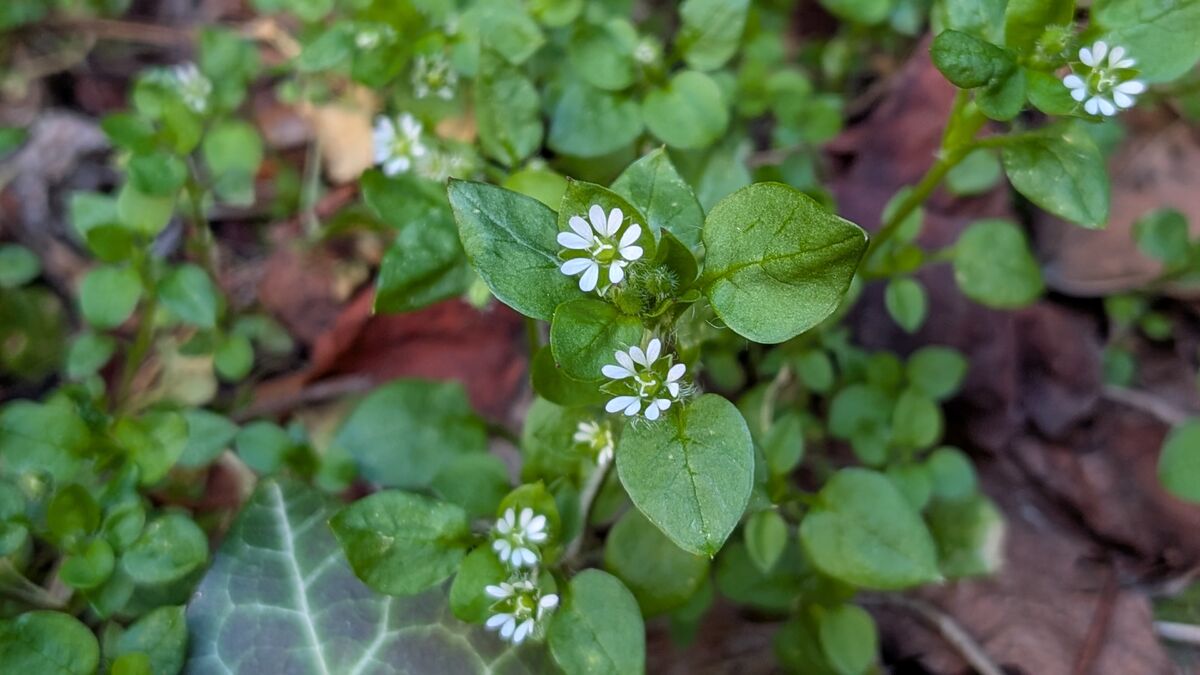
- Chickweed (Stellaria media): Grows almost year-round and still provides fresh, mild greens in October. More about it: Chickweed - nutritional value, uses, recipes
- Ground elder (Aegopodium podagraria): Freshly regrowing young shoots can often be harvested well into late fall. More: Ground elder - from gardener's nightmare to superfood
- Ribwort and broadleaf plantain: The young heart leaves remain usable until frost arrives.
I have put together a compact overview here: 6 wild herbs to forage in fall
Mushrooms – peak season
When it comes to mushrooms, I always say the same thing, and I mean it:
Mushrooms are the group where an identification mistake can quickly become fatal.
The death cap looks harmless and can reliably kill you (after several days, without you realizing it beforehand).
That is why anyone starting with mushrooms should go out with an experienced person or have their finds checked by a certified mushroom expert. You can find them in almost every region, either free of charge or for a small fee.
What is in season now:
- Boletes: Porcini, bay bolete, orange-cap bolete. September until the first night frosts. The best group for beginners because there are no deadly poisonous bolete species in Central Europe.
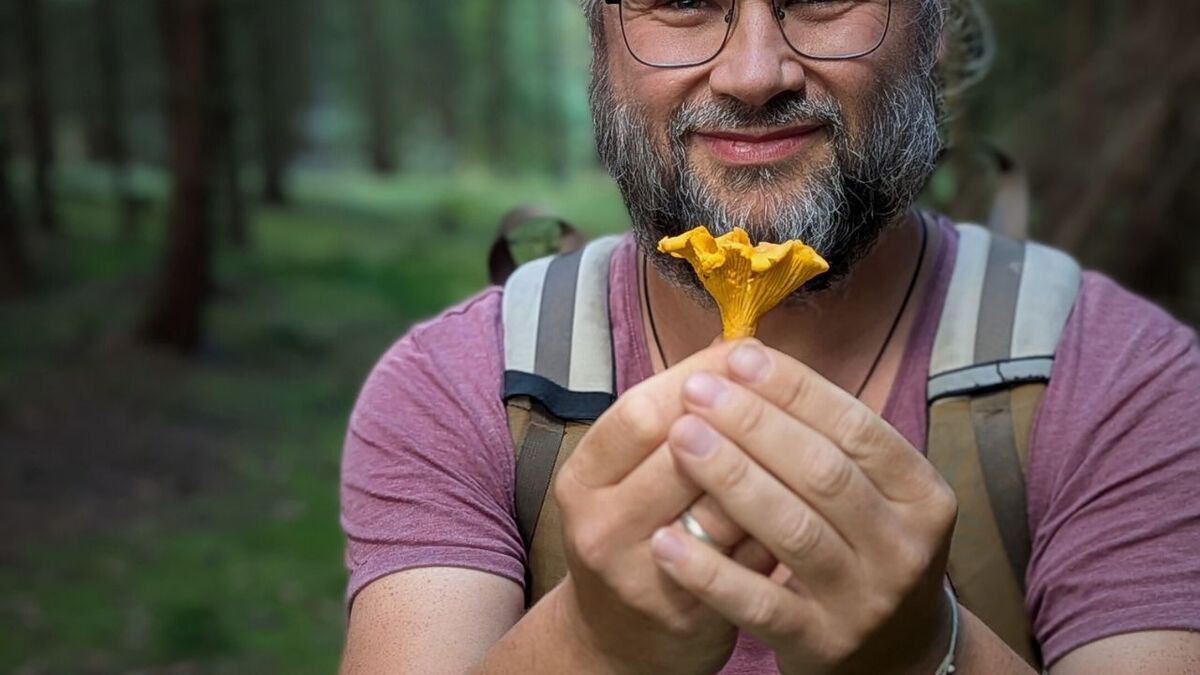
- Gilled mushrooms and chanterelles: Chanterelle, winter chanterelle (often until November), parasol mushroom, honey fungus (edible only when thoroughly cooked!).
- Tree fungi: Oyster mushroom, which fruits on dead wood after the first cold spell.
And three that belong not in the frying pan, but in your tinder bag: Tinder fungus, Chaga and Cramp balls.
The three fall rules
1. What is poisonous raw gets cooked. Elderberries, rowan berries, beechnuts, acorns, honey fungus – they all need treatment. That is not an obstacle, it is simply part of the craft.
2. Frost is your tool. Sloes and rowan berries only become really good after frost. If you do not want to wait: use the freezer.
3. The one rule above all others: Only collect what you can identify with one hundred percent certainty. Not ninety. One hundred.
If you are unsure about identification, this will help you: Learn to identify edible wild plants safely. And I have summarized the typical risks here: Collecting wild plants without risk
What the law says
Short and simple:
In Germany, the handful rule (§ 39 BNatSchG) applies. Small amounts for personal use are permitted – outside protected areas, in places you are allowed to enter, and only for species that are not protected.
For mushrooms, up to 1 kg per person per day is usually tolerated.
Not allowed: Nature reserves, national parks, private property without permission. In Berlin parks, there is also a general ban on picking.
All the details: The handful rule – what you are really allowed to pick
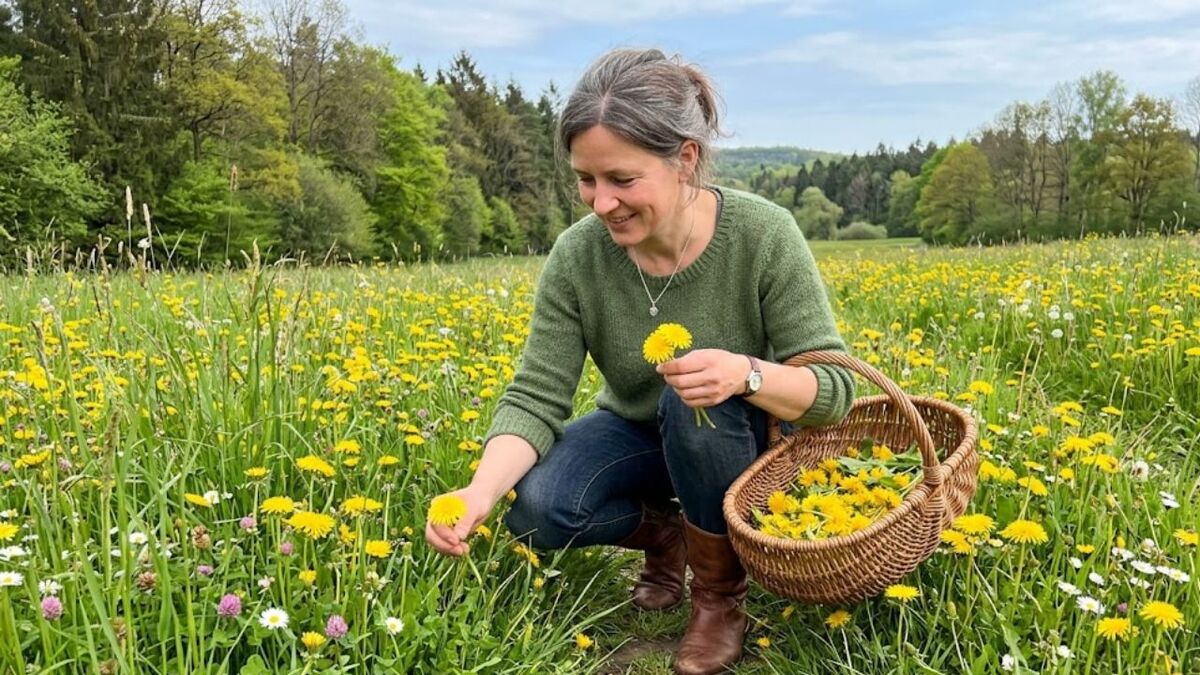
And most importantly: Leave enough behind
Fall is also the time when everyone else is stocking up.
The jay hides thousands of acorns. The squirrel creates stores of nuts. Birds need rose hips and hawthorn berries to make it through the winter.
A maximum of one third from any one spot. And it is better to take a little from several places than a lot from one.
Start with one thing
Fall can be overwhelming. So much at once, so many possibilities.
My suggestion: Pick one thing for this year.
Maybe rose hips for tea. Maybe hazelnuts. Maybe a jar of elderberry jelly.
Doing one thing properly will take you further than doing ten things halfway.
And next year, you will come back. Fall will too.


Author of the guide
Martin Gebhardt
Hey, I'm Martin. On my blog, you will learn the basics and numerous details about living in the wild. I think survival, bushcraft and the good life in nature are the keys to happiness. Find me here on Instagram or on YouTube. You can find more about my mission on the About Me page.
Was this guide helpful?
18 people found this guide helpful.
5.00 out of 5 points (18 Ratings)
Comments (0)
This post may contain affiliate links. So if you click on the links and make a purchase, I will receive a small commission at no additional cost to you. Click here, to learn more about it.