

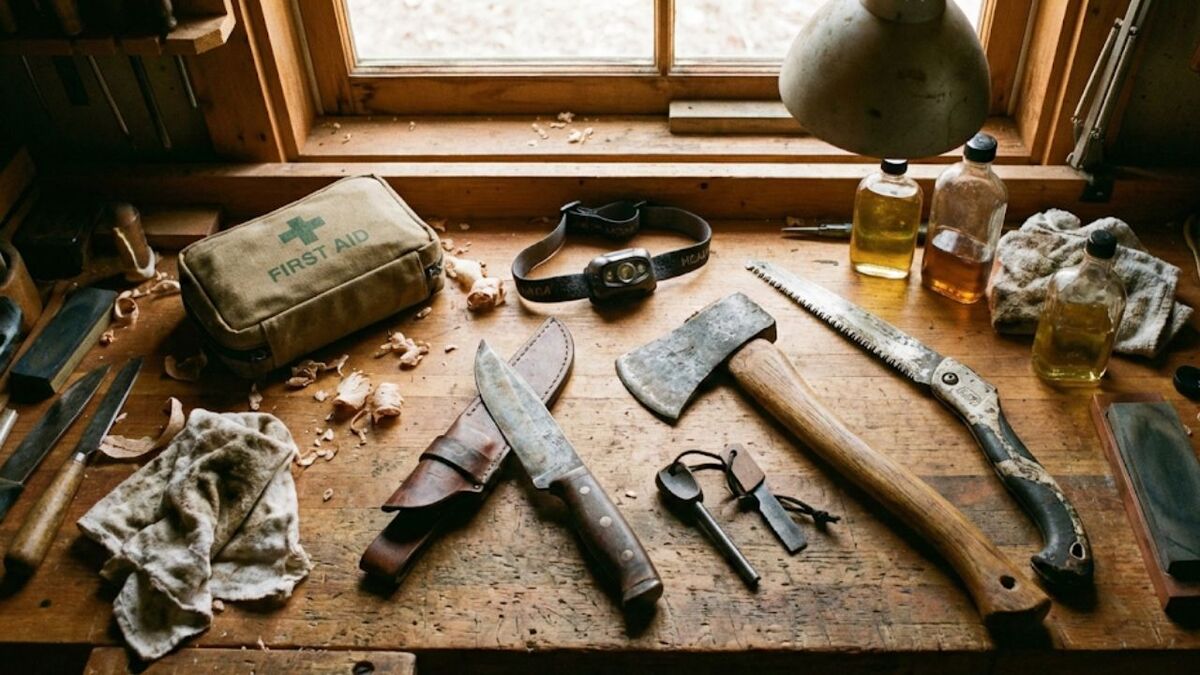
The big equipment check: This is how you make your gear fit for the next season
Free 35 Survival Hacks you'll love!
You will get 35 easy-to-implement survival hacks so that you don't have to stand aimlessly in the forest from tomorrow when things get tough. Take your skills to the next level!
DOWNLOAD HERE FOR FREE👉 The key facts from this guide
- Cutting tools: Carbon steel rusts quickly – remove flash rust with fine steel wool, oil the blade. Treat wooden handles and axe handles once a year with linseed oil varnish, otherwise they dry out and the axe head loosens.
- Never store sleeping bags in a compression sack: Down and synthetic fibers need loft (fill power). Months of compression destroys the insulation capacity. Hang loosely or store in a large storage sack.
- Wash sleeping bags only with special detergent: Normal detergent destroys the fat layer of the down. Wash now in winter – then it has weeks to dry.
- Test sleeping mat overnight: Inflate, put weight on it, wait. If it's flat in the morning, you have a leak. Find it in the bathtub, patch it.
- Hold tent and tarp against the light: You'll only see small holes from sparks or rotten guy points this way. Patch with seam sealer before it rains in.
- Test waterproofing: Spray water on it – if it beads off, everything is good. If it soaks in, the DWR coating is worn out and needs to be renewed.
- Check first-aid kit and fire kit: Check expiry dates, replace empty lighters, check tinder for moisture. Everyone forgets this – until it's too late.
- Remove batteries from unused lamps: Leaking batteries destroy contacts and render expensive headlamps unusable. Store lithium batteries at 50-80%.
Yesterday, I pulled my axe out of the basement. The axe I had put away "just for a second" back in October. Damp. With resin on the handle.
That was three months ago.
Now: Surface rust on the edge. The handle is dry and brittle. The axe head is wobbling. Well done, Martin.
Somewhere out there, a knife is currently sitting in a damp leather sheath. A sleeping bag has been squashed in a compression sack for months. A tarp has burn holes that nobody has patched.
That’s why today is: The Great Gear Check. So you don’t end up standing in the woods in spring, swearing.
Why Maintenance Isn't Optional, It's Survival Training
Maintaining gear doesn't sound sexy. It sounds like housework.
But here is the truth: A bushcrafter honors their tools. Not out of romance, but out of pragmatism.
Broken gear isn't just annoying outdoors – it can become dangerous. The zipper on the sleeping bag that bursts at minus five degrees. The knife that slips because the edge is dull. The tarp that tears in a storm.
Good survival equipment costs money. But it lasts a lifetime – if you treat it like a friend.
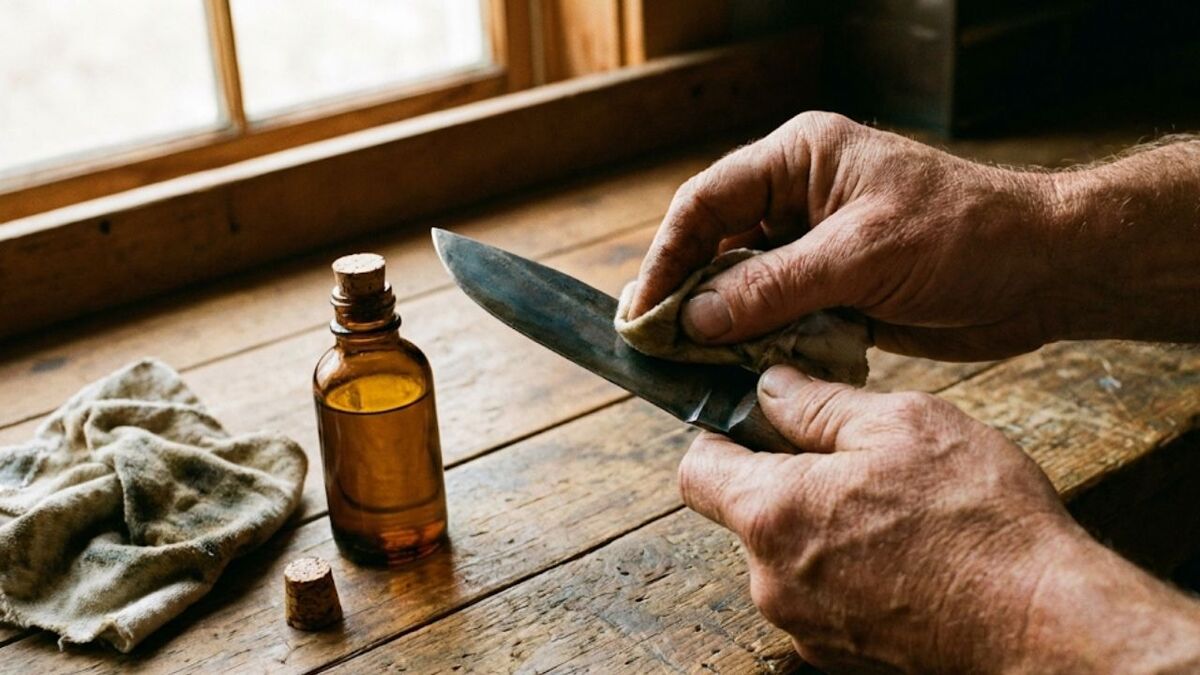
Cutting Tools: Knives, Axes, Saws
The centerpiece of every kit. And usually the thing that suffers the most.
The Rust Check
Get your knife out. Now. I’ll wait.
Do you see small orange spots? That’s surface rust. Especially common with carbon steel. It rusts faster than you can say "I should have oiled that."
How to get rid of surface rust:
Use fine steel wool (0000 grade) or a cork with some scouring powder. Rub gently, don't scrub like a berserker. Afterward, apply a thin layer of oil to the blade. Camellia oil, Ballistol, or in a pinch, cooking oil.
If you are looking for a good bushcraft knife or want to know which steel needs how much care: I have a detailed guide for that.
Time to Sharpen
Winter is the perfect time for sharpening. You're sitting inside anyway. And a sharp knife is a safe knife. (Sounds paradoxical, but it's true.)
Get your whetstone out. Or improvise – in my article Sharpening a knife without a whetstone, I show you nine possibilities.
And don’t forget the axe. It gets just as dull. You just don't notice it until you ruin your back while chopping wood.
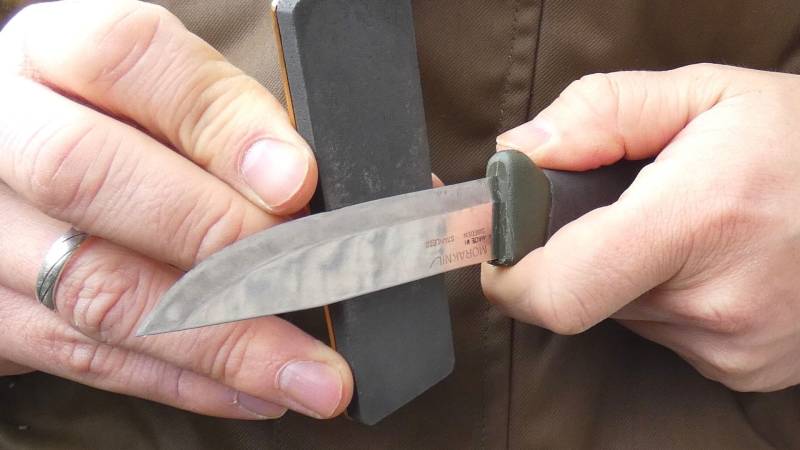
Wood Care: The Thing Everyone Forgets
Axe handles and wooden grips need oil. Once a year. At least.
Boiled linseed oil is perfect. Apply thinly, let it soak in, wipe off excess oil. This prevents the wood from drying out and – in the worst case – the axe head flying off mid-swing.
It’s never happened to me. But it happened to a friend. The axe head flew three meters. Luckily, in the right direction.
Don't Forget the Saws
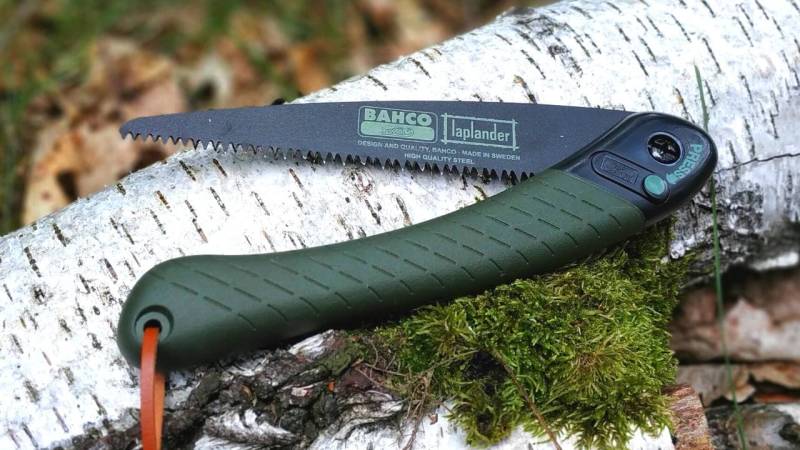
Your folding saw deserves love too. Remove resin and sawdust (warm water, old toothbrush; you can get resin off with oil). Oil the joint. Check if the locking mechanism still holds.
My Bahco Laplander has accompanied me for years. Because I take care of it. Most of the time, anyway.
The Sleep System: Sleeping Bag and Sleeping Pad
This is where the biggest mistakes happen. Because sleeping bags seem so low-maintenance. Just stuff them in and forget them, right?
No. Definitely no.
Airing Out Instead of Storing
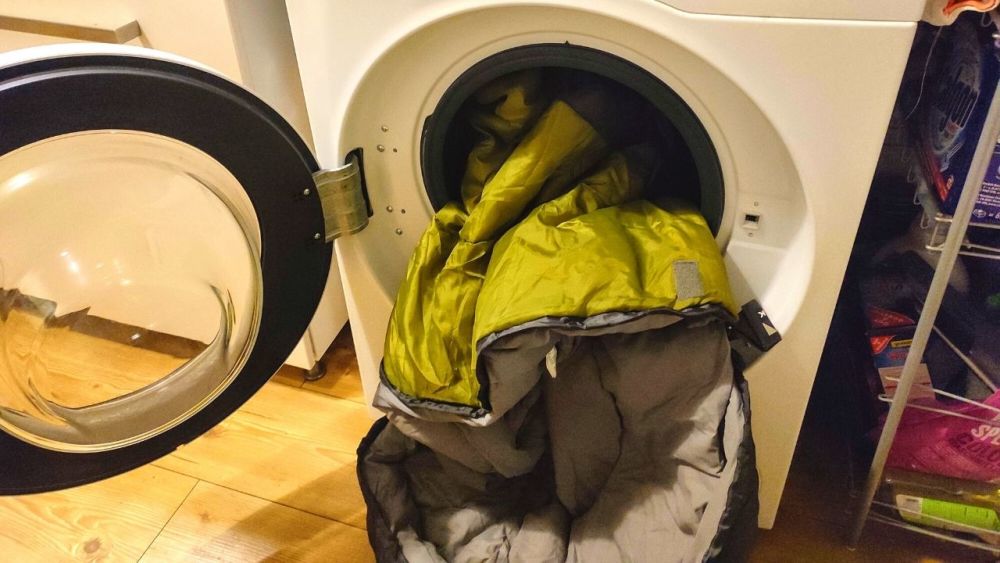
Has your sleeping bag been in its compression sack since October? Then get it out now. Immediately.
Down and synthetic fibers need loft – the ability to fluff up. That’s what keeps you warm. If you squash the sleeping bag for months, you destroy exactly that loft. The fibers break. The down clumps together.
The Solution: Take the sleeping bag out, shake it, hang it up loosely, or pack it into a large storage bag. Read more in my article Washing and storing a sleeping bag.
Washing – But Only When Necessary
You should wash sleeping bags as rarely as possible. Every wash stresses the material.
But if it smells like a wet dog? Then it has to be done.
Now in winter is the best time. It has weeks to dry. Down takes forever. And a damp sleeping bag is worse than a dirty one.
Use special down detergent (not normal detergent, which destroys the natural oils in the down). Use a large dryer. Throw in tennis balls so the down fluffs up again.
The Sleeping Pad: The Underestimated Hero
Without a sleeping pad, you freeze from below. The cold ground sucks the heat out of you, no matter how good your sleeping bag is. That's why the R-value is so important.
The Leak Test:
Inflate your sleeping pad. Completely. Put a few books on it. Wait overnight.
Is it flat in the morning? Then you have a leak.
Finding the leak: Bathtub with water, put the mat in, look for bubbles. Just like a bike inner tube. Then patch it.
If you need a new one: Here is my comparison of the best sleeping pads.
Weather Protection: Tarp and Tent
Your roof over your head. The thing standing between you and the downpour.
The Smell Test
Give your tent a sniff. Seriously.
Does it smell musty? Damp? Then you have a problem. That’s either mold or the beginning of it.
Immediate Action: Set it up (in the living room if necessary). Let it dry completely. Air it out well. For actual mold: Treat it with special tent cleaner.
You can find more on proper care in my article Setting up, cleaning, and storing a tent.
Finding Seams and Holes
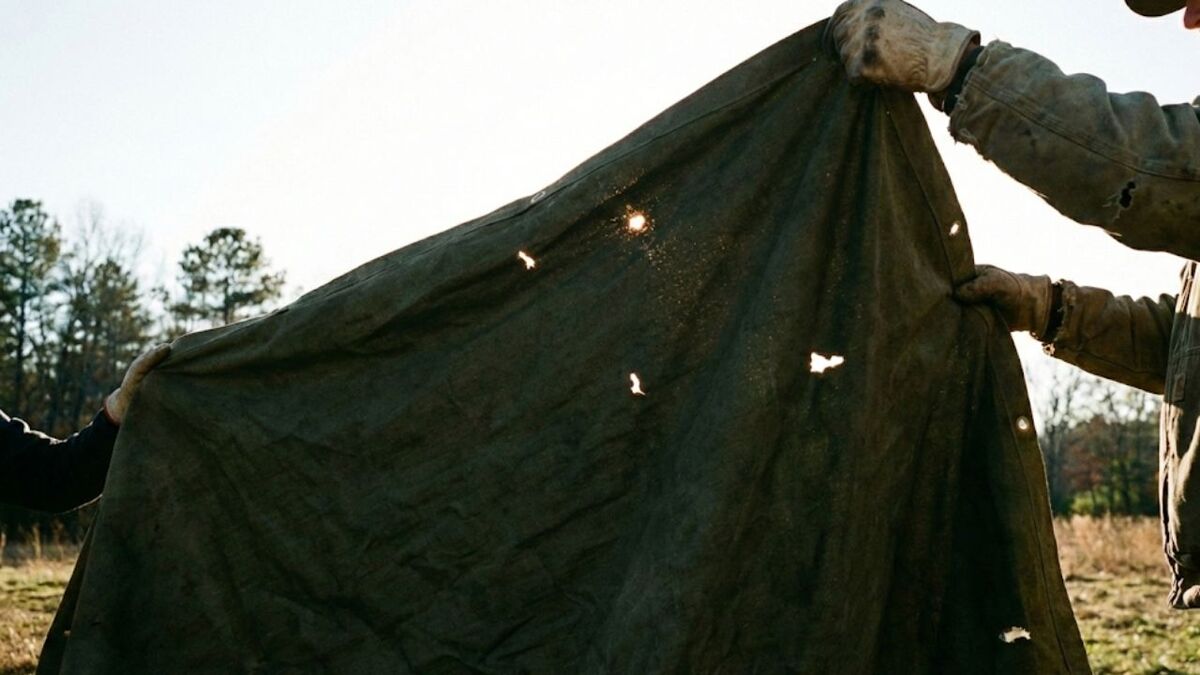
Take your tarp or tent and hold it against the light. Do you see small holes? Flying sparks from the campfire? Mosquito bites from the storm?
I see this on my tarp every year. Small burn holes because I sat too close to the fire again. Typical.
Patching: Seam sealer (Seam Grip) for small holes. Tarp tape for larger ones. Do it now, not when it starts raining inside.
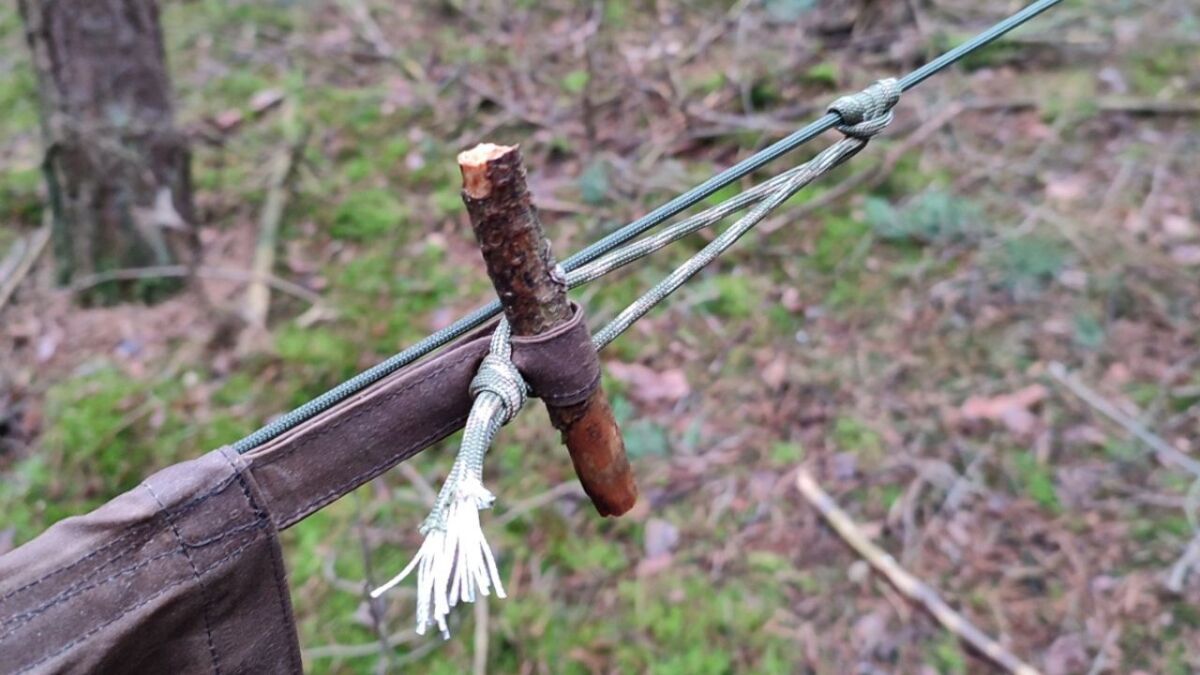
Also check the guy-out points. Torn? Rotting? That’s the point where your whole shelter collapses in a storm.
Testing the Waterproofing
Take a spray bottle with water. Spray the outside.
Does the water bead off? Good.
Does it soak in and leave dark spots? Bad. Then the DWR coating is gone. The water no longer beads off, the fabric gets soaked, and you wake up in a puddle.
Solution: Re-waterproof. Spray or wash-in waterproofing.
First Aid and Consumables
This is the part everyone really forgets. Me too. Regularly.
Check Expiry Dates
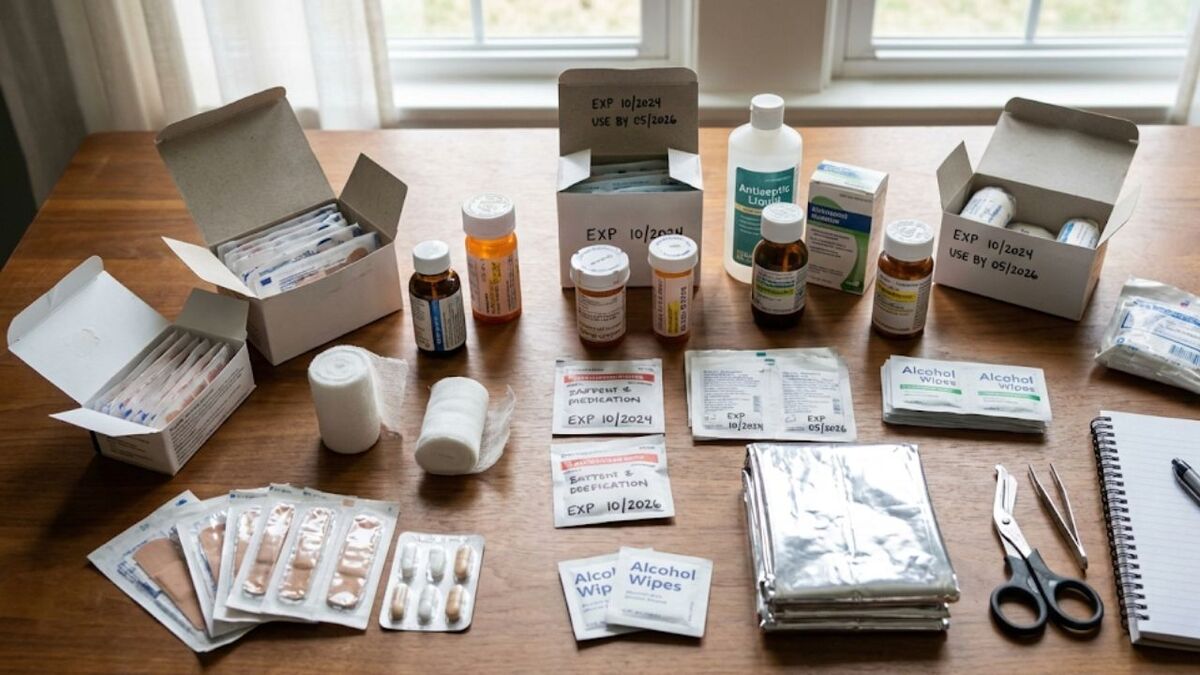
Get your First Aid Kit out. Go through everything now:
- Painkillers: Expired?
- Wound disinfectant: Still liquid or dried up?
- Plasters (Band-aids): Do they still stick or are they rock hard?
- Emergency blanket: Ever unpacked it and stuffed it back in? (They don't last forever.)
Anything expired: Get it out. Replace it. Now.
The Fire Kit
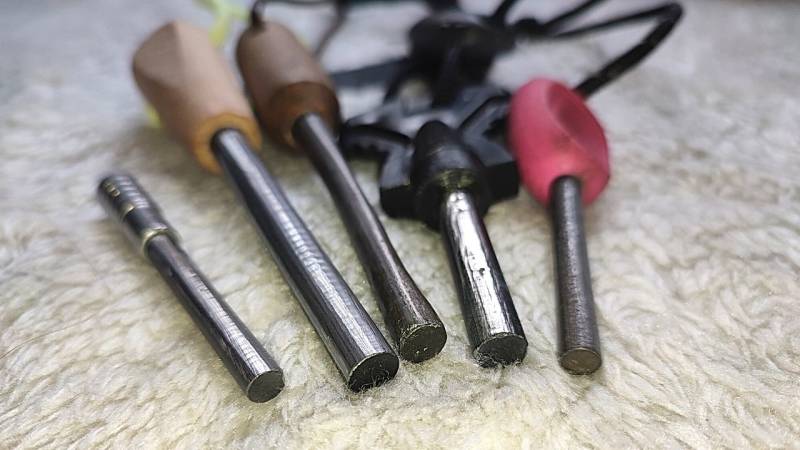
Your ferro rod – how does it look? Is the rod still thick enough or have you rocked it down to toothpick diameter? When did you last test the best ferro rod?
Is the lighter empty? (It always is when you need it.)
And the tinder? Birch bark, fatwood, char cloth – is it all still dry? Or did you pack it damp and now it’s a lump of mud?
I’ve made it a habit to store my tinder in a waterproof container. Ever since that one time my entire fire kit was wet. In pouring rain. With no backup.
That was a long, cold evening.
Electronics: Headlamps and Power Banks
Batteries and accumulators are treacherous. They look harmless, but they can destroy expensive gear.
Take Batteries Out!
If you aren't using your headlamp for a while: Take the batteries out.
Leaked alkaline batteries leave a white, corrosive crust that eats the contacts. Then your 80-euro lamp is junk. Because of a 50-cent battery.
Ask me how I know.
Storing Lithium Batteries Correctly
Your power bank doesn't like sitting completely empty for months. Nor completely full.
The sweet spot: About 50-80% charge. Give it a short charge once in winter, then put it away again.
The same applies to rechargeable batteries in headlamps.
Checklist: The Quick Check to Tick Off
So you don’t forget anything:
Cutting Tools:
- [ ] Check knife for rust, clean, and oil
- [ ] Sharpen blades
- [ ] Oil wooden handles and axe shafts
- [ ] Clean saws, oil joints
Sleep System:
- [ ] Remove sleeping bag from compression sack
- [ ] Air out and fluff up sleeping bag
- [ ] Wash if needed (with special detergent)
- [ ] Check sleeping pad for leaks
Weather Protection:
- [ ] Check tarp/tent for smell, air out
- [ ] Check seams and holes against the light, patch them
- [ ] Check guy-out points
- [ ] Test and renew waterproofing
First Aid & Consumables:
- [ ] Check expiry dates in first aid kit
- [ ] Check fire kit (ferro rod, lighter, tinder)
- [ ] Refill dry tinder
Electronics:
- [ ] Remove batteries from unused lamps
- [ ] Charge batteries to 50-80%
- [ ] Check contacts for corrosion
Why This Blog Needs Your Support
You see: Good gear lasts a lifetime – if you take care of it.
It's exactly the same with this blog.
Survival-Kompass.de is my tool to provide you with knowledge. For years, I’ve been writing guides like this one. Without flashing ad banners. Without annoying pop-ups. Without sponsored articles selling you junk as gold.
I want you to be able to focus on the knowledge. But servers cost money. Research costs time.
If my guides help you – whether with gear maintenance, getting started in bushcraft or the question of which knife is the right one – I would be thrilled if you became part of the community on Steady.
It costs less than a pack of fatwood per month. But it helps me enormously to remain independent.
Become a supporter on Steady now
What Now?
Don't close this article and think "I'll do it later." That’s what I thought about my axe too.
Stand up. Get one piece of your gear. Just one. And check it. Now.
And when you're done: Tell me in the comments. What was the worst condition you ever found your gear in?
I'll start: I once tried to wash a sleeping bag on a normal spin cycle. The down turned into clumps that looked like wet tennis balls. It took three days to fix that.
Your turn.


Author of the guide
Martin Gebhardt
Hey, I'm Martin. On my blog, you will learn the basics and numerous details about living in the wild. I think survival, bushcraft and the good life in nature are the keys to happiness. Find me here on Instagram or on YouTube. You can find more about my mission on the About Me page.
Since this is a gear guide, here ...
🤝8 reasons to trust my recommendation
-
Practical Experience: I have tested most of the products I recommend under extreme conditions myself.
-
Independence: As a wilderness mentor, I am not tied to any specific brands - this means my recommendations are unbiased.
-
Expertise: My many years of experience allow me to understand the intricacies and details of various products that a layperson might overlook.
-
Target group understanding: I understand the needs and challenges of outdoor enthusiasts, from beginners to seasoned experts.
-
Quality focus: I attach great importance to quality and longevity. These are characteristics that are crucial in the wild.
-
Clear communication: I try to explain the pros and cons of each product clearly and understandably so that you can make an informed decision.
-
Currentness: I always keep my guides up to date and adapt them to new findings or products.
-
Community Feedback: I work in wilderness schools, teach courses myself, attend courses and am active in various outdoor and survival communities and therefore integrate the feedback and experiences of others into my recommendations.
So when I introduce the best survival knives or flashlights, you can be sure that every recommendation is based on solid experience and extensive knowledge.
Was this guide helpful?
11 people found this guide helpful.
5.00 out of 5 points (11 Ratings)
Comments (0)
This post may contain affiliate links. So if you click on the links and make a purchase, I will receive a small commission at no additional cost to you. Click here, to learn more about it.